







HOW TO PREVENT STORAGE TANK INCIDENTS:
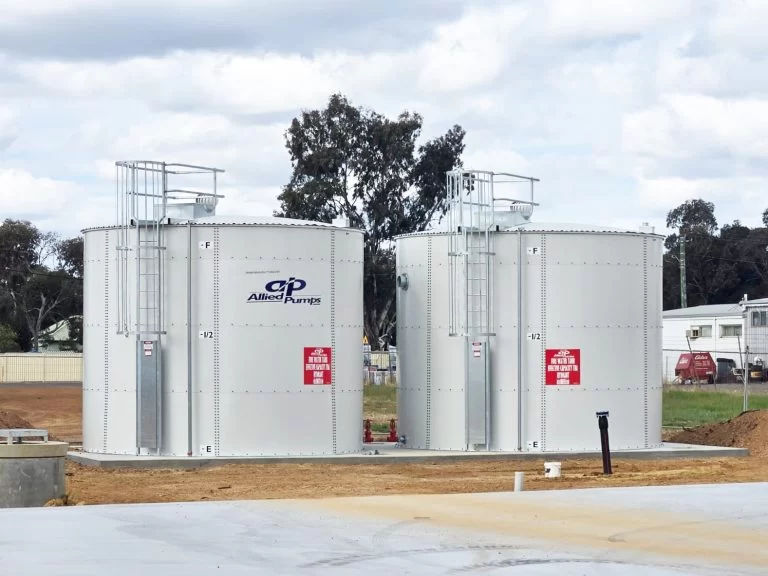
Large water storage tanks are essential to many Australian businesses, especially those in the industrial and agricultural sectors. However, these tanks are often subject to intense pressure, corrosion, cracking and other types of damage. When the tank is damaged, its structural integrity is significantly weakened, which can result in tank implosions and other disasters that can have a huge impact on workers, facilities and the environment as a whole. These mishaps can affect your business as well, resulting in lost work time and income while the tank is being repaired.
You can most certainly still utilise these large storage tanks, but certain precautions must be taken to ensure maximum safety and efficiency. Here’s how to do it right.
Choose the Right Tank
When selecting a storage tank, you need to be sure that it can withstand the needs of your business. Make sure that it comes from a manufacturer that is known for quality workmanship and expert engineering. Check the materials used to make the tank liner as well. You want something that is going to be durable. Even if it costs more, you’ll save money in the long term by not having to repair or replace your tanks as often. The extra investment up-front will be well worth it down the track.
Install It Properly
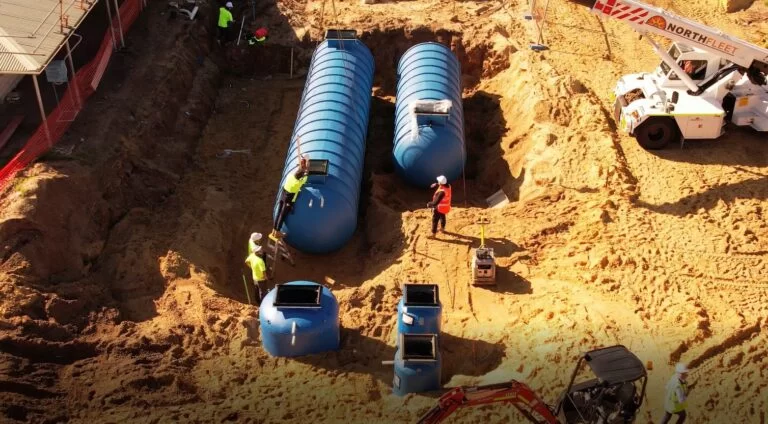
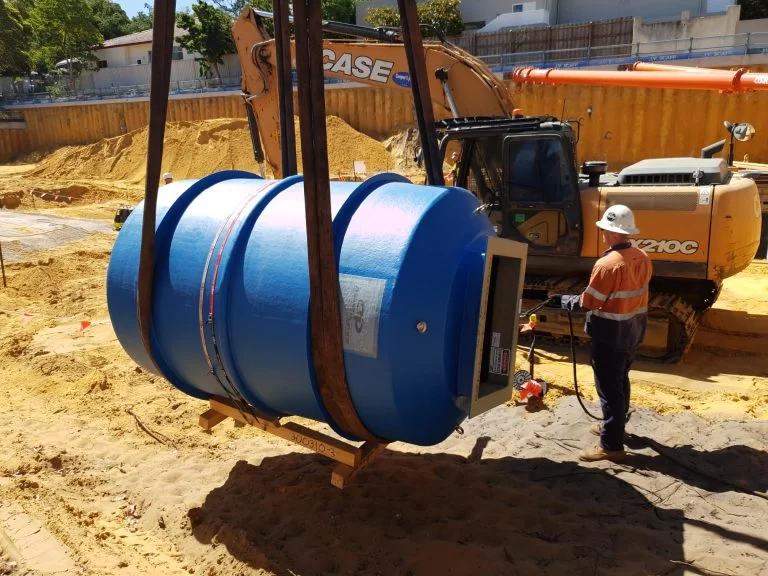
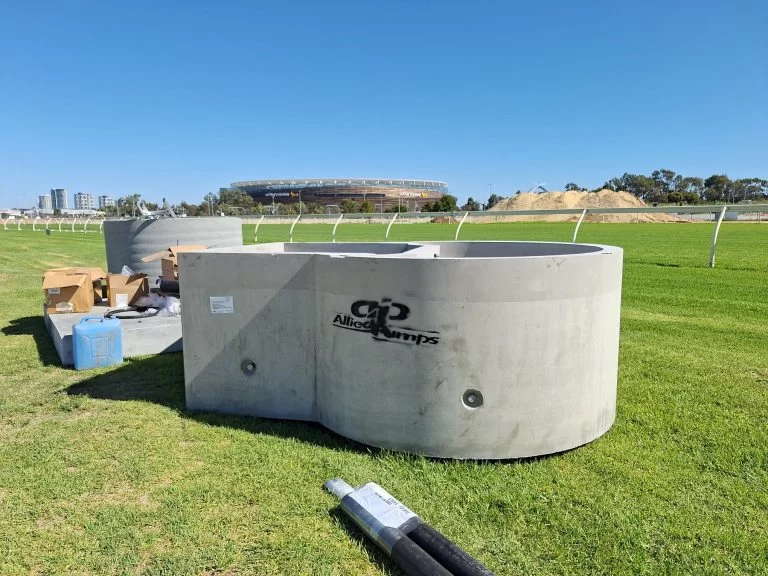
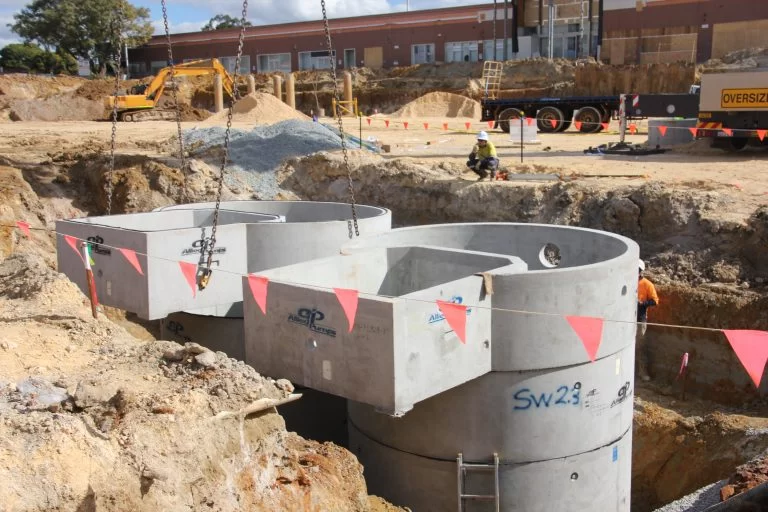
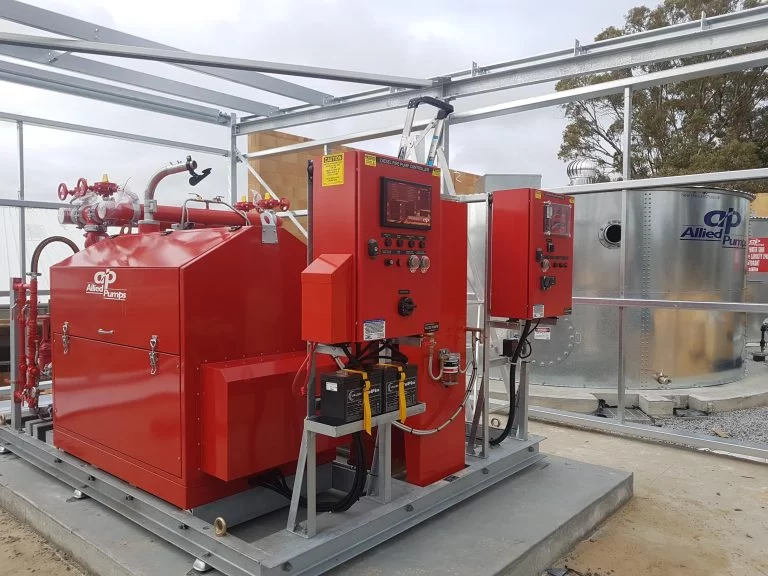
When initially installing your storage tank, place it on top of a concrete ring beam or slab. This is necessary to provide adequate support to the base of the tank. In some cases, overflow water can erode material from underneath the tank, causing gaps in the ground. Over time, the pressure within the tank can be too much for it to withstand without support, causing it to split and the tank to implode.
Consider the Wind
You’ll also need to take into account the wind conditions in your region. Keep in mind that pressure from the wind will be added to the pressure already on the tank from its contents. Make sure that your tank is engineered for your particular wind region (A, B, C or D) and seismic (earthquake) zone. Your region will have specific regulations with regards to trusses and gauge and fixing systems. Make sure that all piping is mounted securely on the wall of the tank so that it doesn’t move in strong winds.
Check Your Tank’s Nozzles and Drains
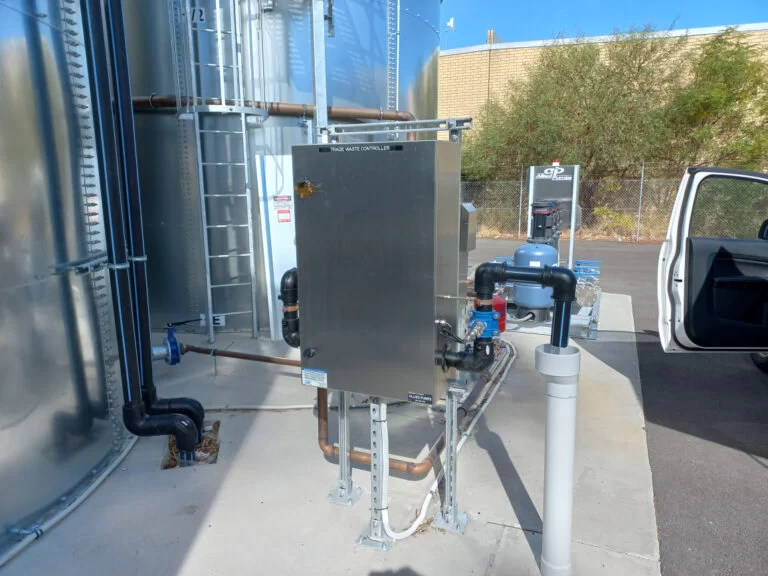
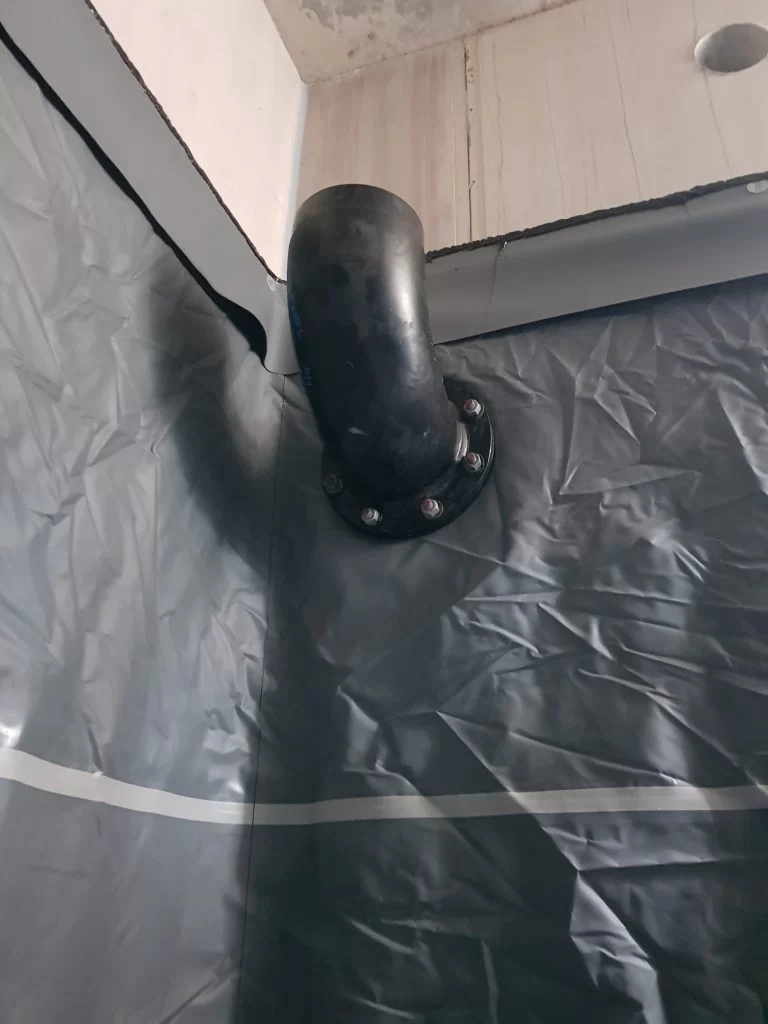
The nozzles and drains on your tank are prime areas for leaks and corrosion. Tank nozzles need to be sealed on both the inside and outside of the tank using gaskets and O-rings to minimise the risk of leakage. Drains can experience movement as liquid flows through them, so the exit end of the drain needs to be secured in a concrete block.
Conduct Regular Maintenance
Ensure that your storage tanks are maintained and serviced on a regular basis to prevent premature failure. Here at Allied Pumps, we can gladly help you keep your tank in top condition and help you to remain in compliance with any regulations in your area. We have created just the guide to help you along the way; http://bit.ly/areyoursystemscompliant
Feel free to contact us for more tips and advice about maintaining your tanks. You can talk to a member of our team about a problem by contacting us here or read more about how we help our clients of all needs here.