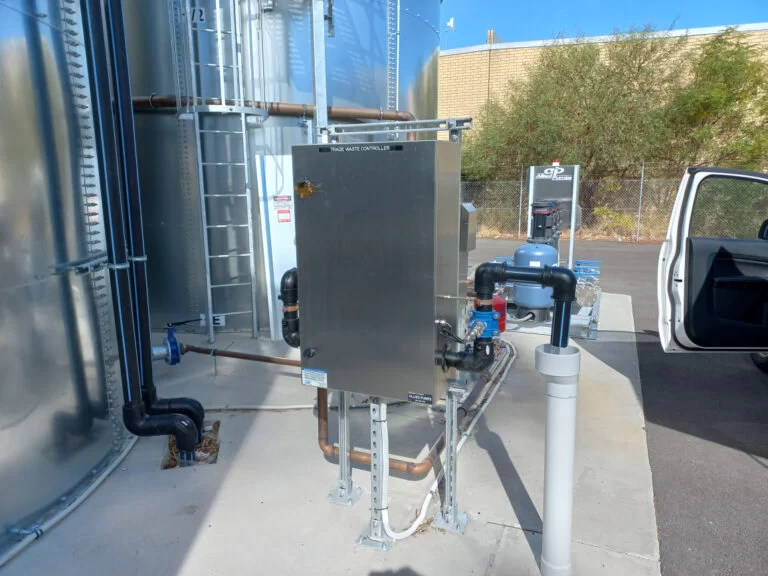
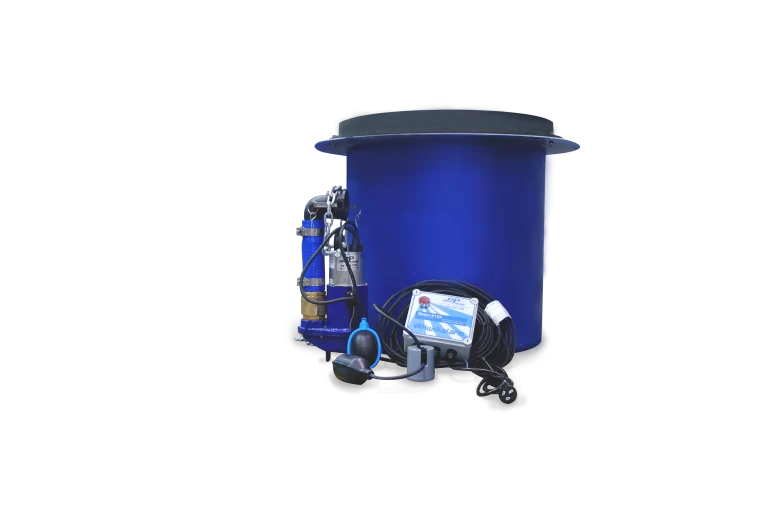
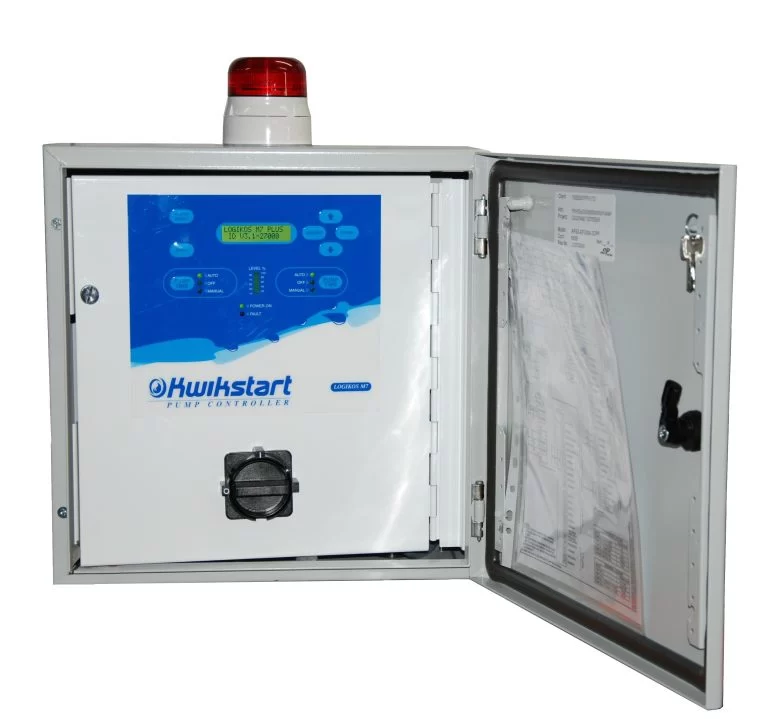
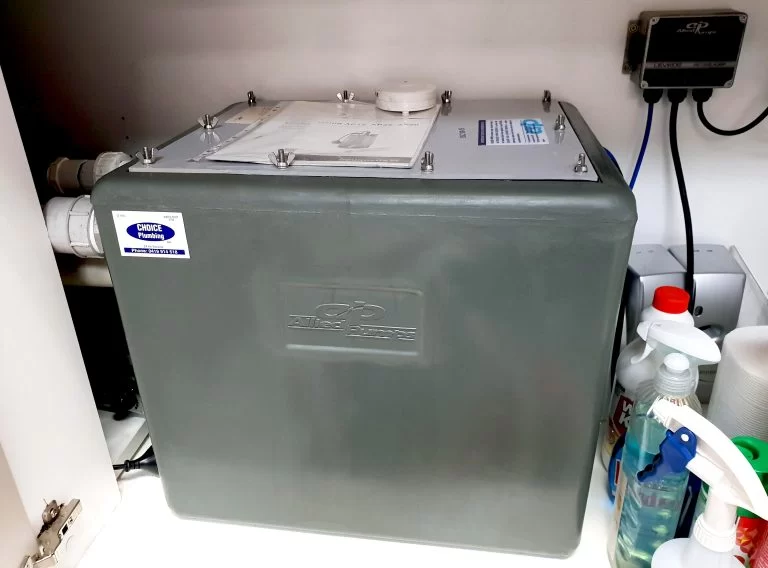
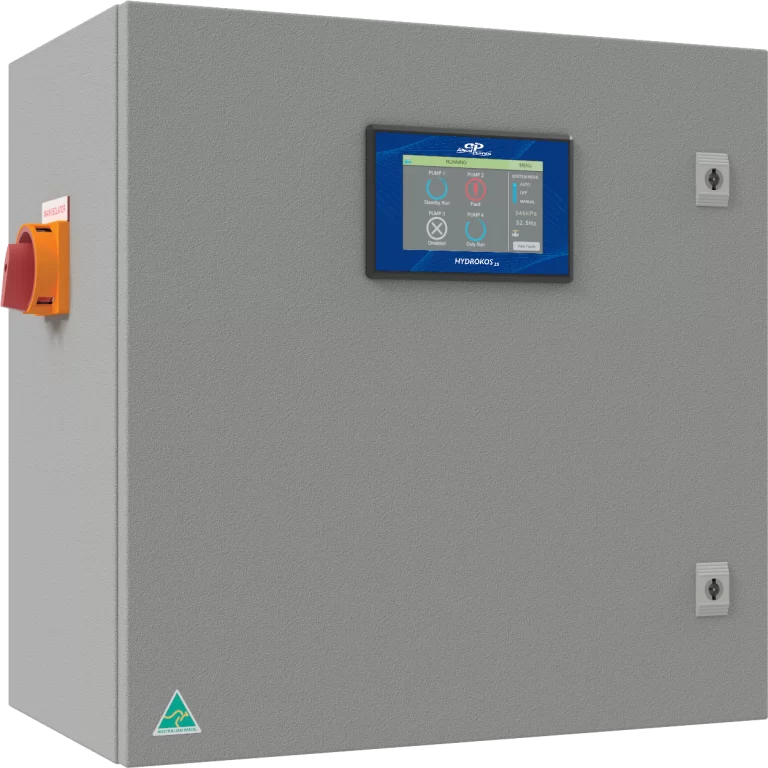
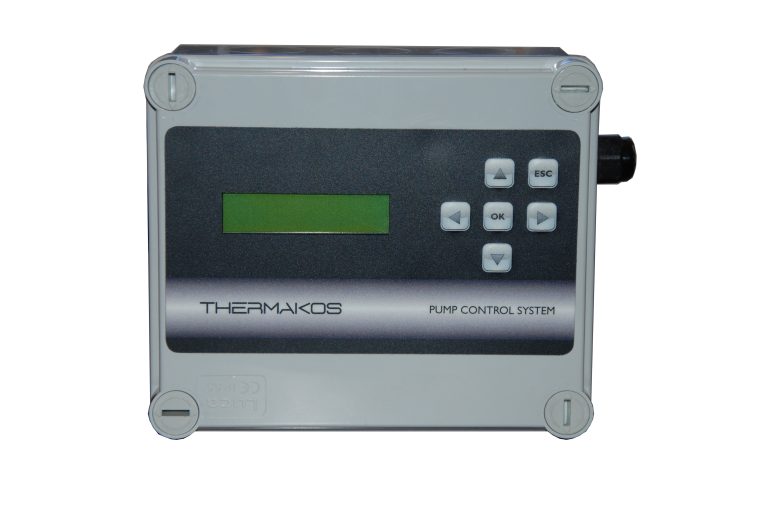
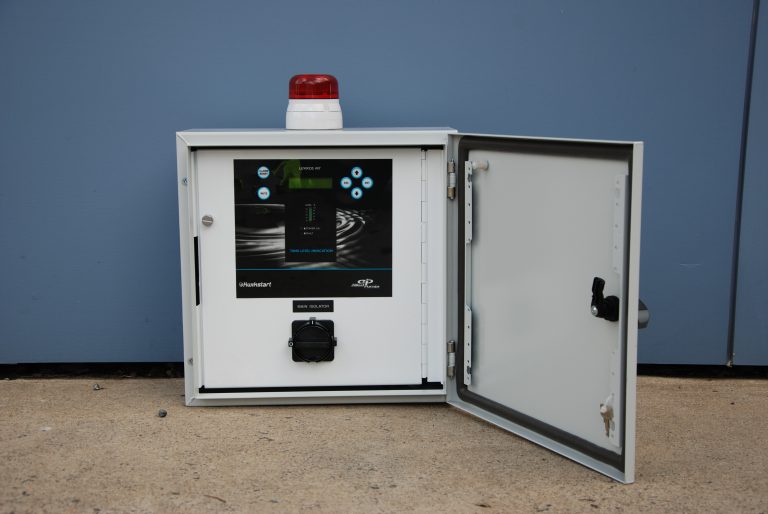
Our standard Levikos model uses a level sensors to provide empty, half, and full level readings, with volt-free contacts available for remote monitoring.
The upgraded version provides single or dual tank monitoring and includes features like tank level indication, system monitoring, remote alarm outputs, digital liquid level display, and optional communications.

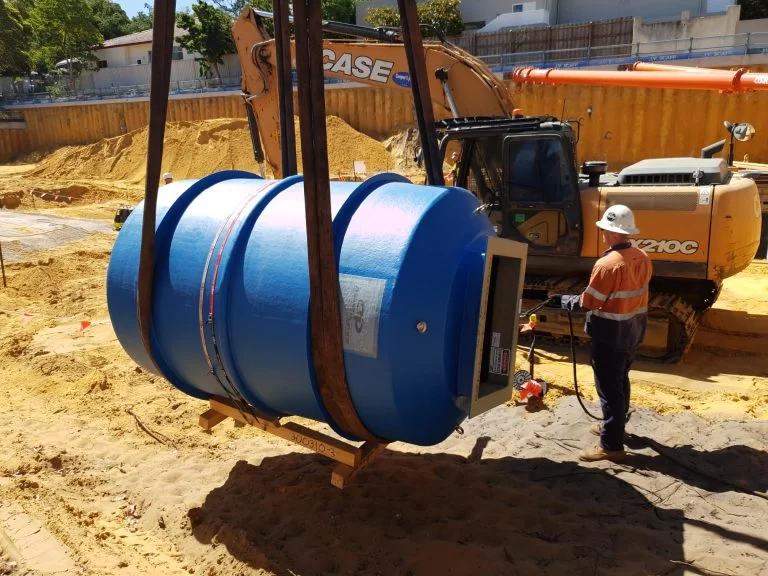
The Australian Embassy in Jakarta, Indonesia required a water supply system. Because of its location, this was a very unique project. The spec required the materials to be stainless steel and fibreglass to resist corrosion. The site also needed a controller to monitor and operate water supply valves to fill tanks for use at the building. The three water supplies were the result of rainwater runoff from the roof, bore pumps and mains piping. To ensure that the specs were met, the valves were programmed to operate depending on the supply availability. The competing requirements of this project as well as working in a foreign environment created a number of challenges. We were able to rise to the challenge, through our strong organisational skills and execution of work.

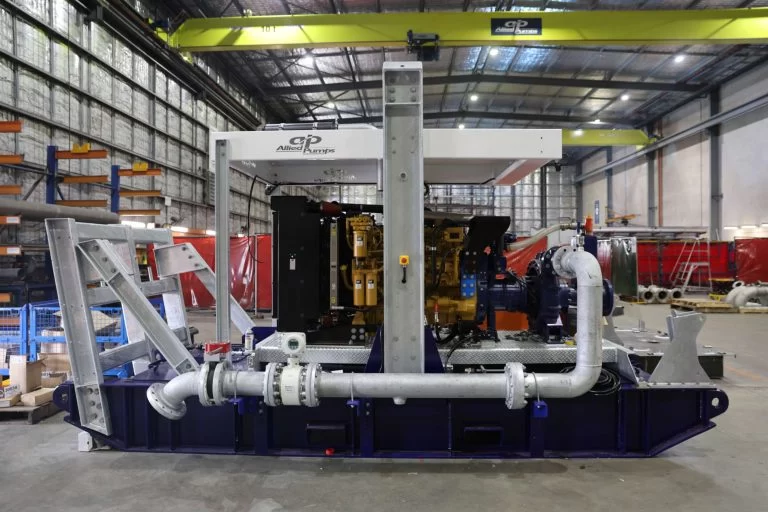
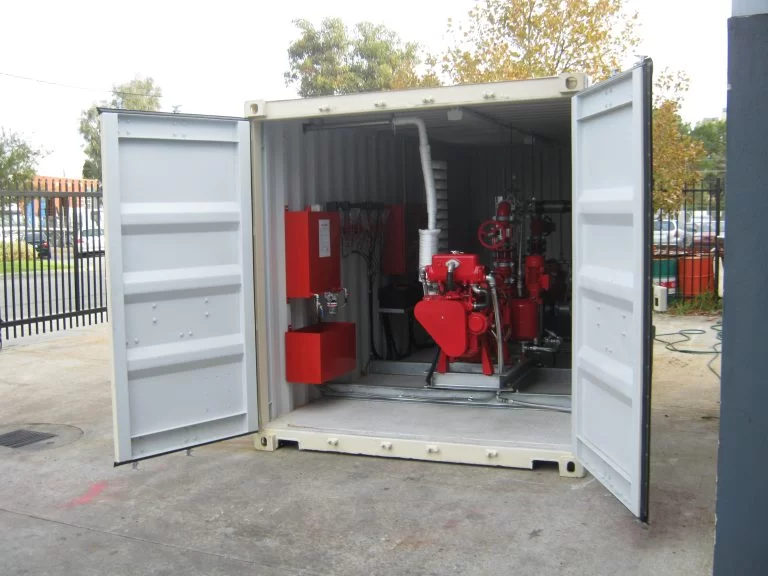
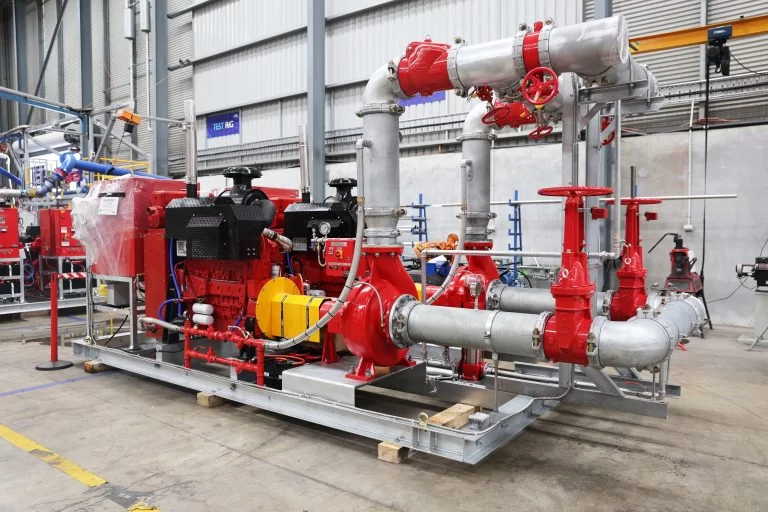
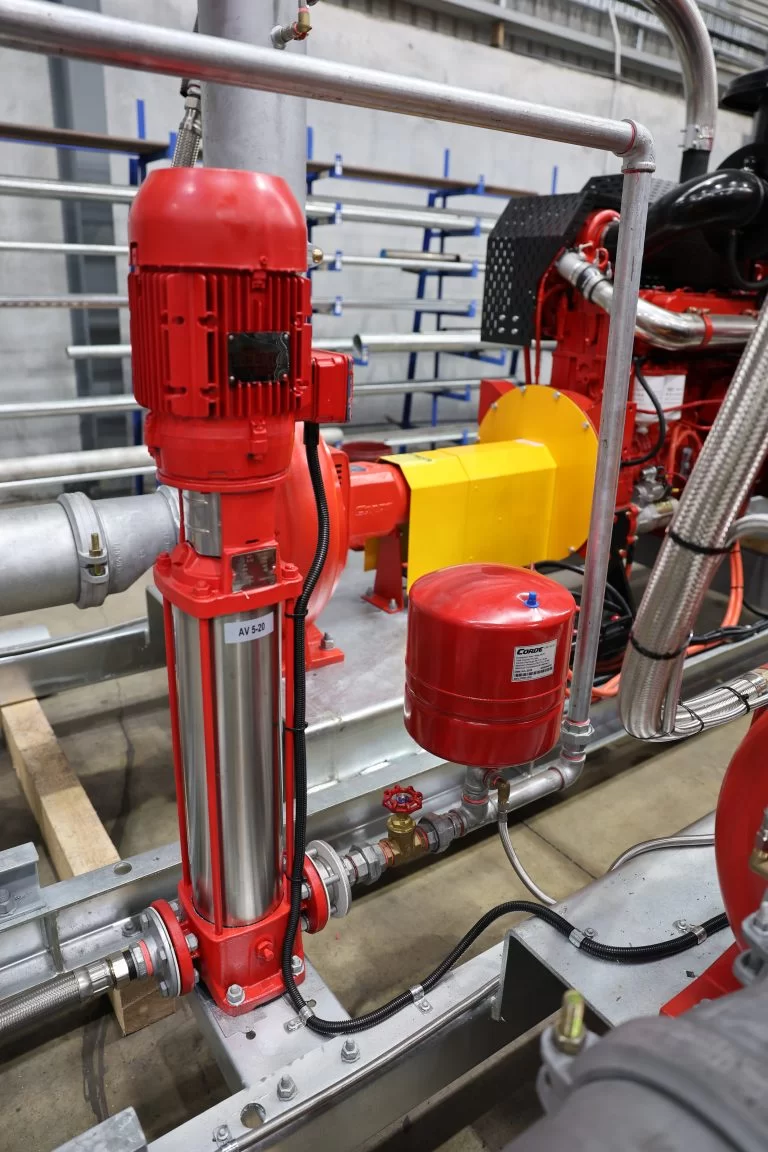
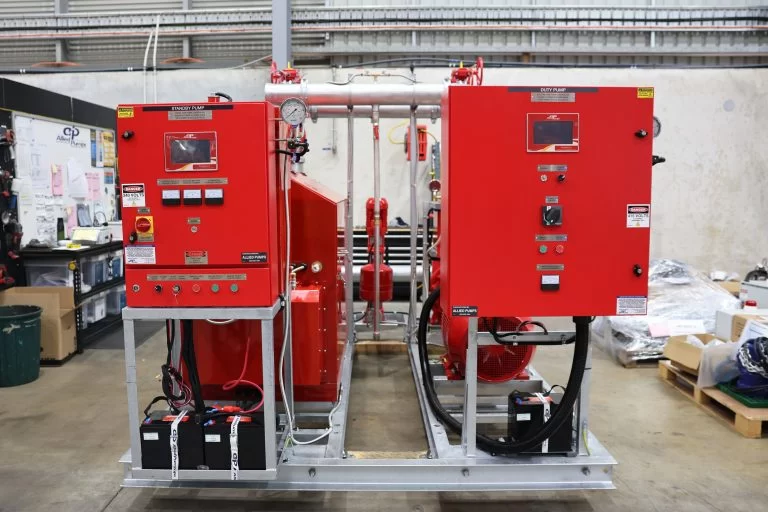
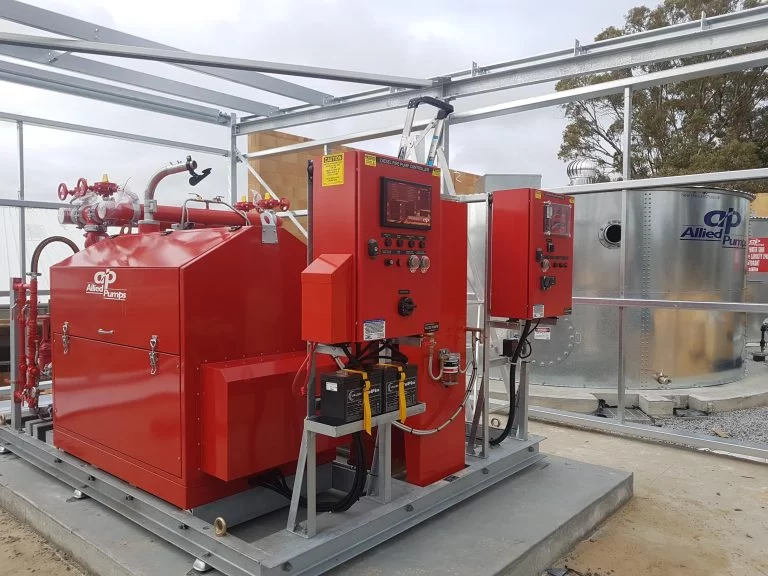
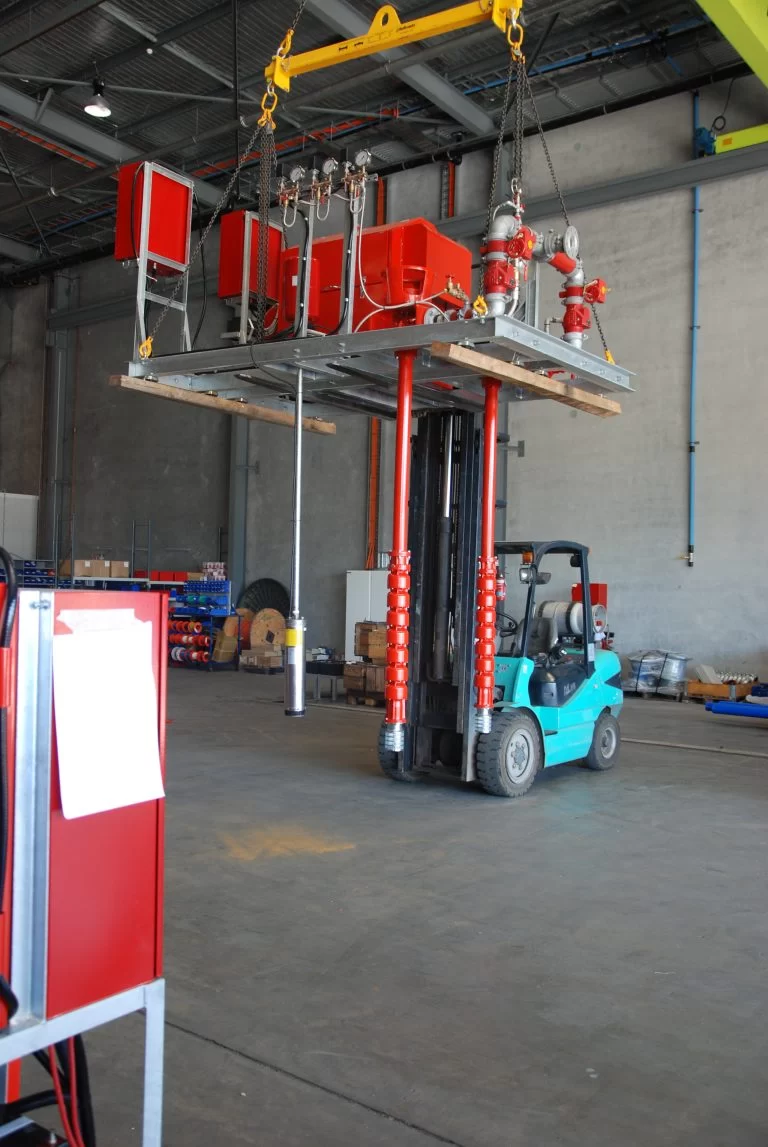
Royal Perth Hospital is a 450-bed teaching hospital located on the north-eastern edge of the CBD of Perth in Western Australia. The project started with a site visit by us. We measured and discussed the design needs for the fire pump set refurbishment. The first step was to disable and remove the existing system. This removal was the same day as the new system’s delivery so there was no site storage required. The new system was then installed in one day. This was a quick turnaround time, and we were able to meet the timeframe to ensure minimal downtime.

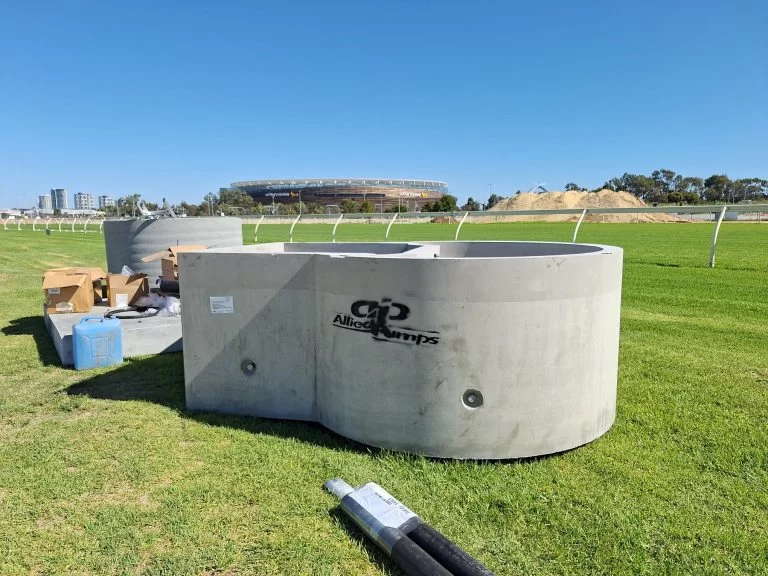
Located on the Burswood Peninsula, the Optus Stadium is part of a large redevelopment that has become a draw card to thousands of people. However, as with all new developments there was a significant change to the existing landscape. Part of the Optus Stadium is bounded by the Swan River and river traffic, some of the retaining walls and steel piles on the water’s edge which could be seen from the water and needed to be addressed which could not be achieved using a land based planting scheme or additional construction. Allied Pumps created an environmentally sound and sustainable floating treatment wetland that can be configured in rafts of endless configurations. They can fit any existing space or water body shape and can operate in fluctuating water levels which was an essential requirement for this project. While the floating treatment wetlands are primarily a water treatment tool, they have the added bonus of being visually appealing with the use of wetland sedges, rushes and grasses providing fast and easy to install beautification options.

We were recently involved in supplying fire protection for Perth Airport. View the video to see the testing DFES conducted at the facilities in March 2017.

A residential complex in Perth required an innovative way to pump water to reduce power consumption and improve sustainability. In many new buildings, there is a push to use a single basement tank with basement pumps pressuring all the way to the top of the apartment block. However, Allied Pumps had a better solution. A small pump and tank at the basement of the apartment block transfers water to the rooftop tanks at a low flow, keeping the rooftop tank full. A smaller, variable speed pump supplies the top few floors, whilst the levels below are fed by gravity. With a roof top tank full of water at all times, even during a power outage, the system can still supply the residents with water. Smaller pumps, simpler control logic, and reduced tank capacities all kept initial costs low and provided huge benefits for the complex.

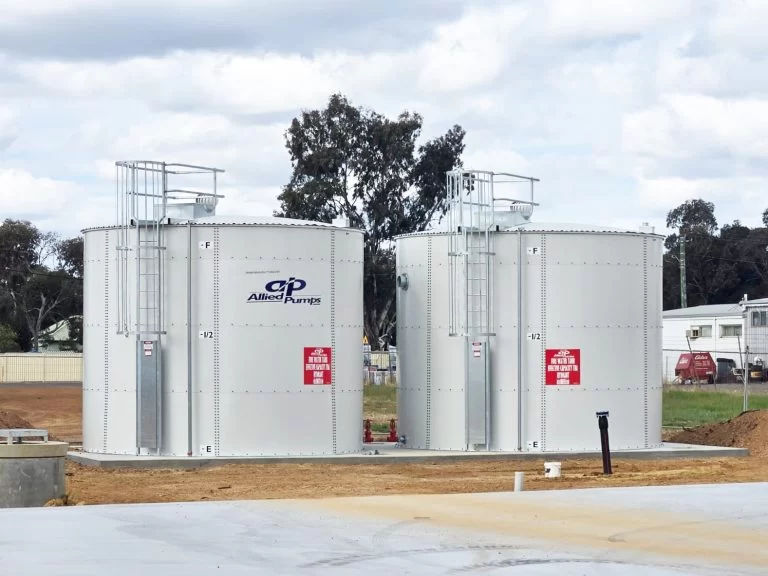
The proposed fibreglass storage tank had an extended lead time of 14 weeks. To ensure schedules were kept, we recommended a galvanised tank, which was a first for us. This was an experience of trial and learning. Everything went smoothly providing the client with a viable solution within the requested timeframe.

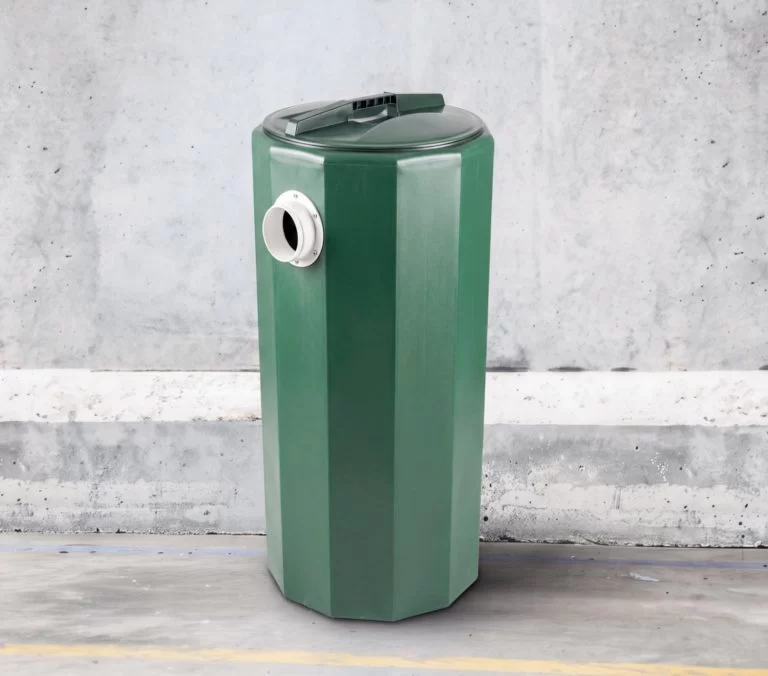
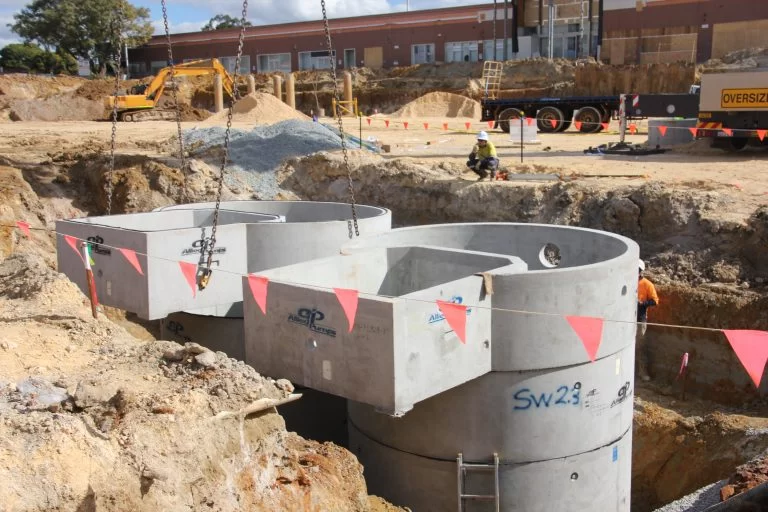
The City of Subiaco had an initiative to improve water quality. The focus was on reducing pollutants in Lake Mabel Talbot. The lake is in the conservation category wetland under the Environment Protection policy and functions as a Water Corporation compensating basin. The lake collects rainfall runoff from four sub-catchments, totaling 300 ha. A Gross Pollutant Trap needed to treat the entire flow prior to entering the system, and our Baffle Box was the only system to appropriately meet the design criteria. The Baffle Box was able to catch leaves and other pollutants before they could enter the lake. The result of this project was cleaner water and an improvement in the water quality.

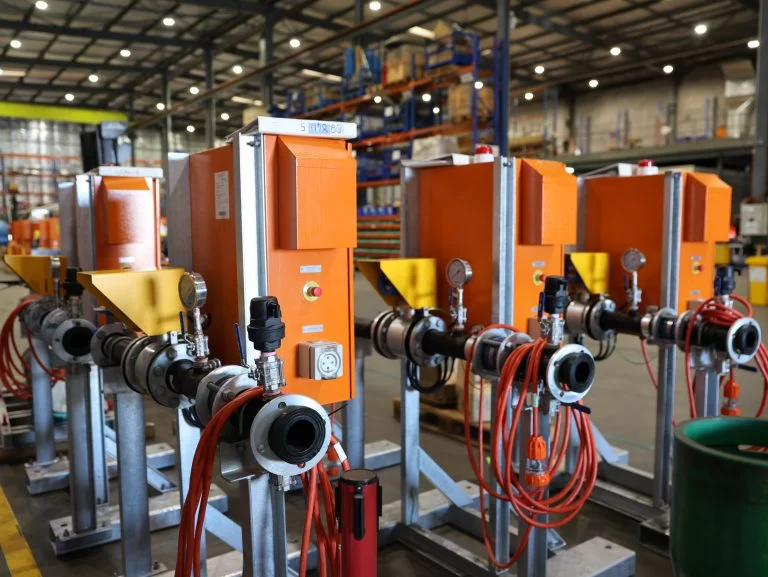
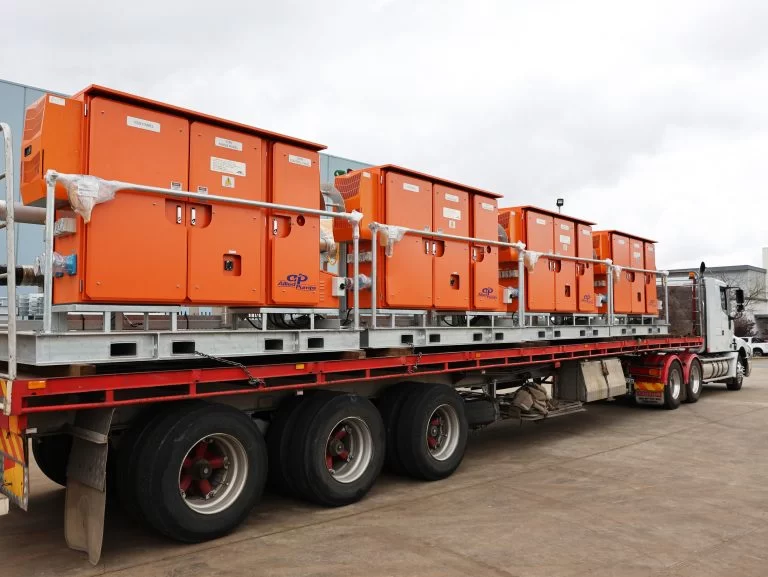
Allied Pumps rises to the challenge. Could we produce 20 relocatable bore head works, which could last for a minimum of 20 years and be compliant with wind loading requirements AS1170.2, for a wind region A4 quickly? Being headquarted in Western Australia, with extensive stock holdings, not only do we understand harsh conditions we were able to gear up quickly and meet the clients deadline.

This project was the result of a need to facilitate communication between two pump stations. One was located at Denmark High School; the other at Riverside Club. This project included supply, installation, and commission of control equipment. The objective was to pause the operation of the Riverside Club pump station when one of the pumps at the high school was operating. A dialler system was used to sync these two locations. We delivered the solution to connect these two systems which increased the efficiencies of the solutions.
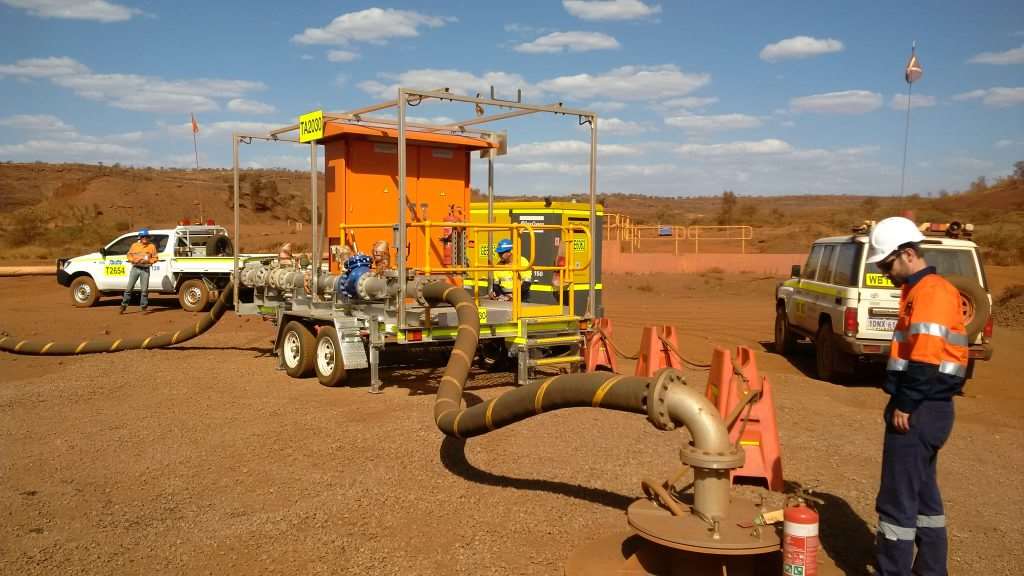
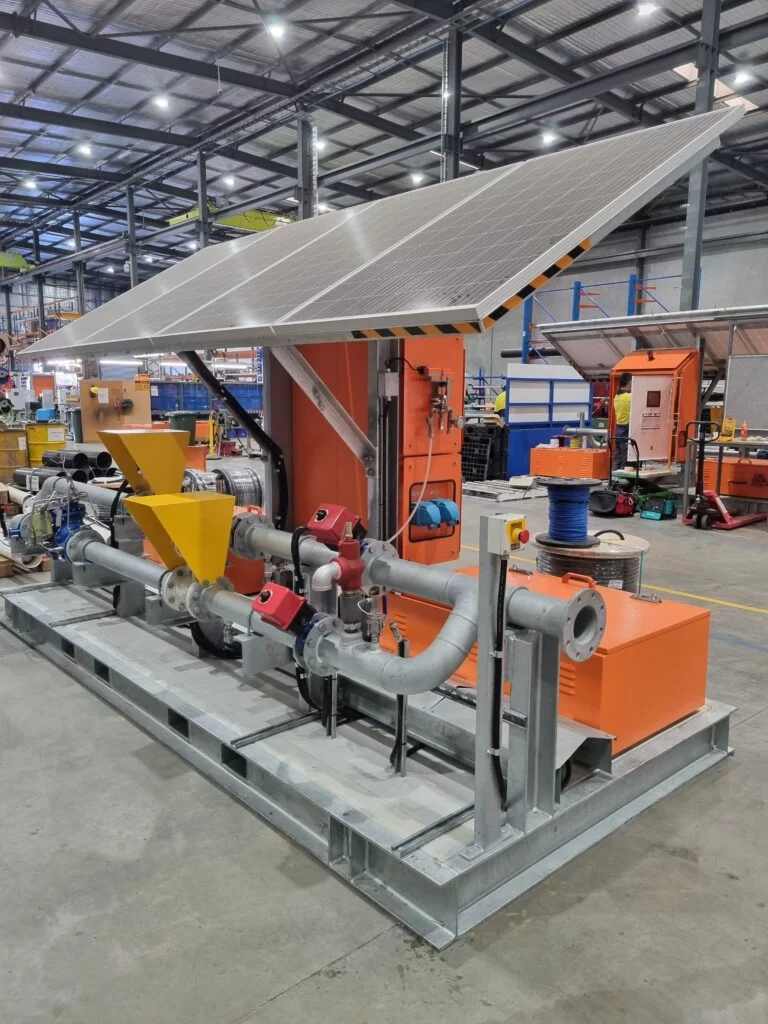
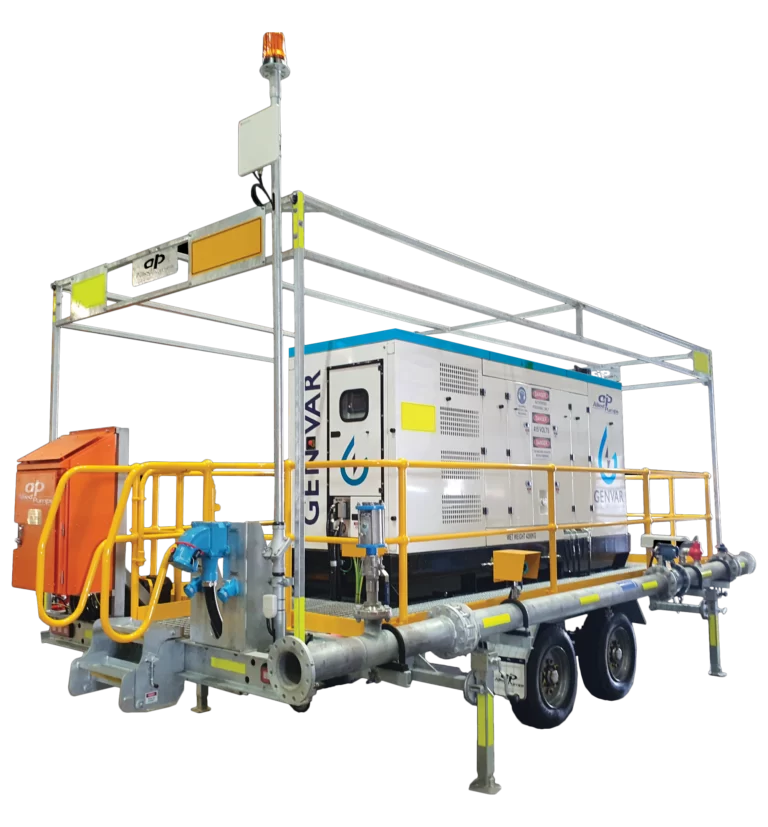
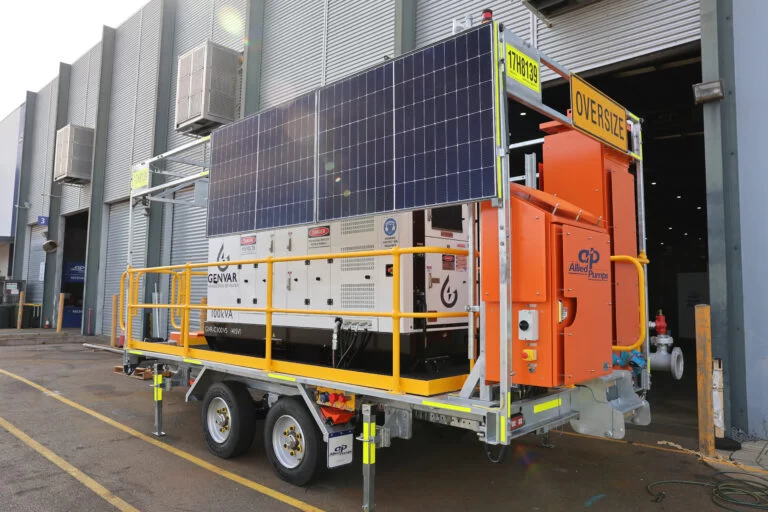
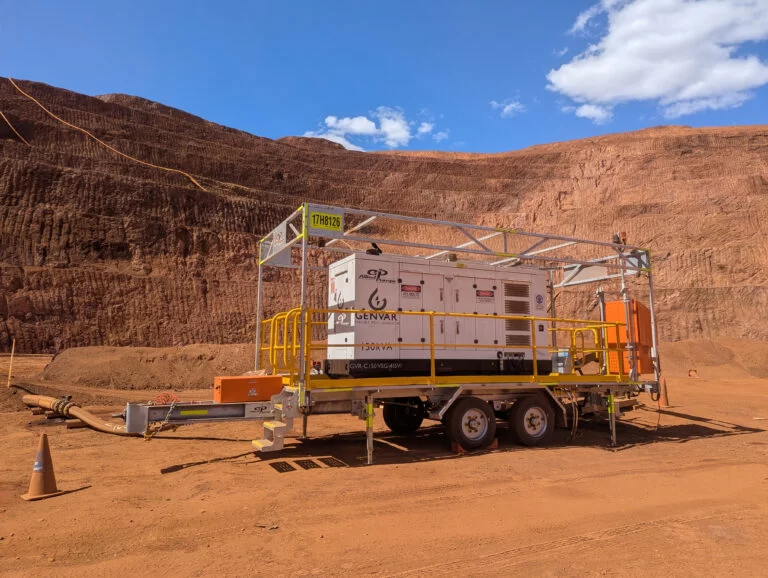
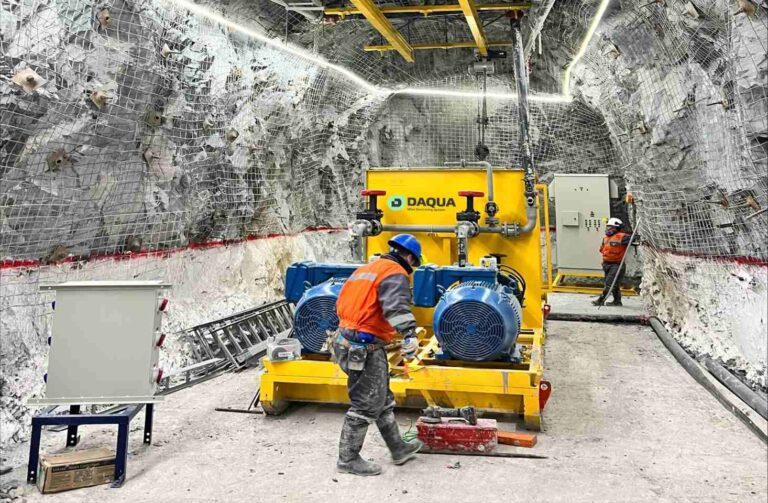
A below water table mine operation in the Shire of East Pilbara sustains the Newman Hub mining operations at a Western Australian iron ore mine site. The client needed an in-pit dewatering solution to discharge excess groundwater for a new section of the pit. The solution was required within eight weeks. A bore system using equipment that would suit their requirements was designed. We provided Kwikbore bore head works systems which were trailer-mounted. This would minimise dewatering and pumping downtime during removal of the existing equipment from the mining pit during blasting and installed the head works once the blasting was completed. Overall, six mobile head works systems were used, each featuring a unique plug and play design with remote telemetry system for integration with the site SCADA system. Our experienced technicians carried out onsite commissioning to effectively integrate the pumping systems into the BHP site-wide SCADA system. The project was delivered on time and on budget and operates to the specification set out in the scope of works.
The standard Levikos is a simple tank controller that uses floatswitch level detection for empty, half, and full level readings. The upgraded Levikos is a more advanced single or dual tank level management system with options for remote monitoring, transducer inputs, and communications.
Yes, the upgraded Levikos controller can handle single and dual tank monitoring.
Yes, the standard Levikos provides volt-free contacts for full, half, and empty levels, while the upgraded Levikos supports remote alarm outputs and optional communications for monitoring integration.
The standard Levikos uses floatswitch level detection, while the upgraded Levikos can use ultrasonic or pressure transducer instrumentation depending on the application and configuration.
Yes, the upgraded Levikos can support remote monitoring via Serial RS485 Modbus RTU communication or Ethernet TCP/IP.