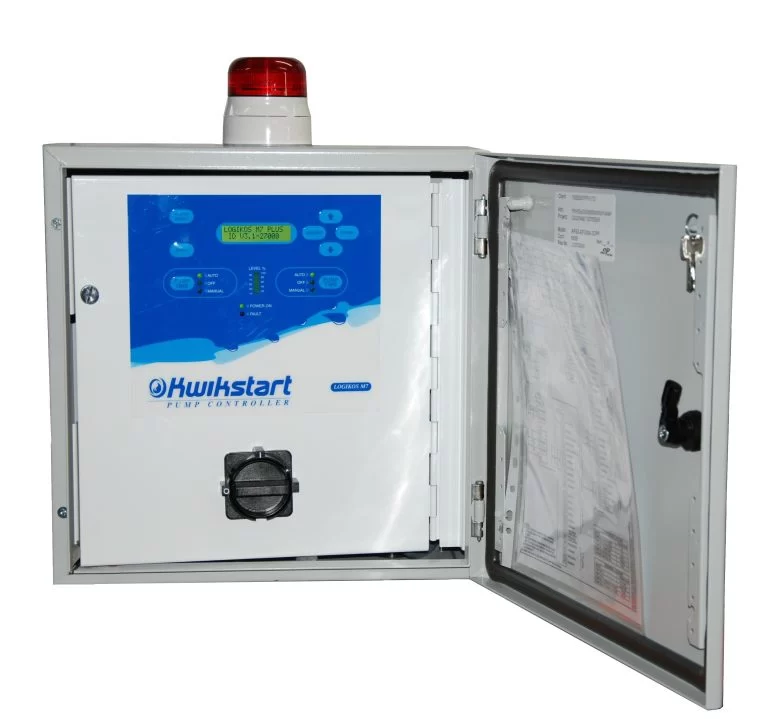
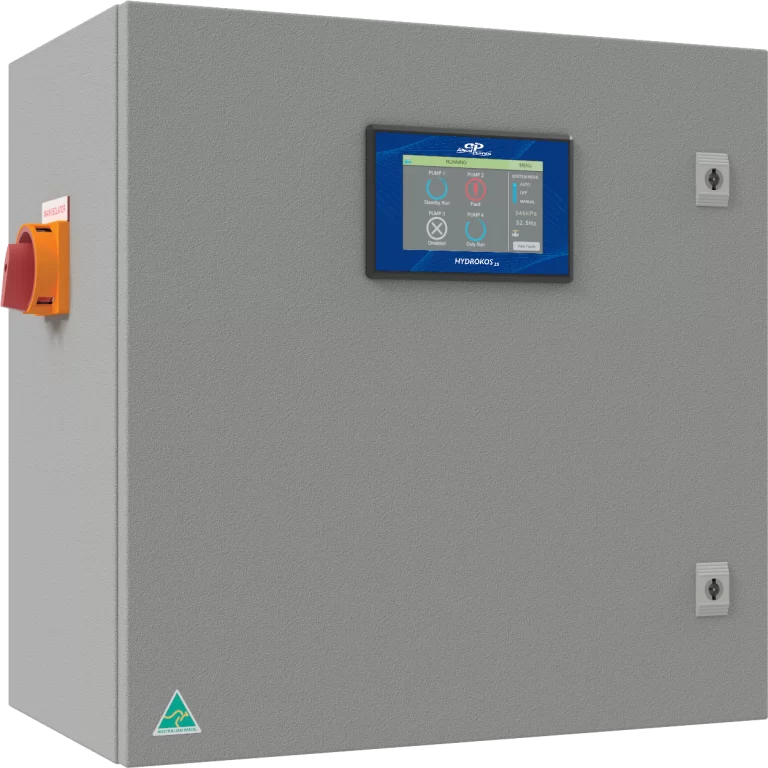
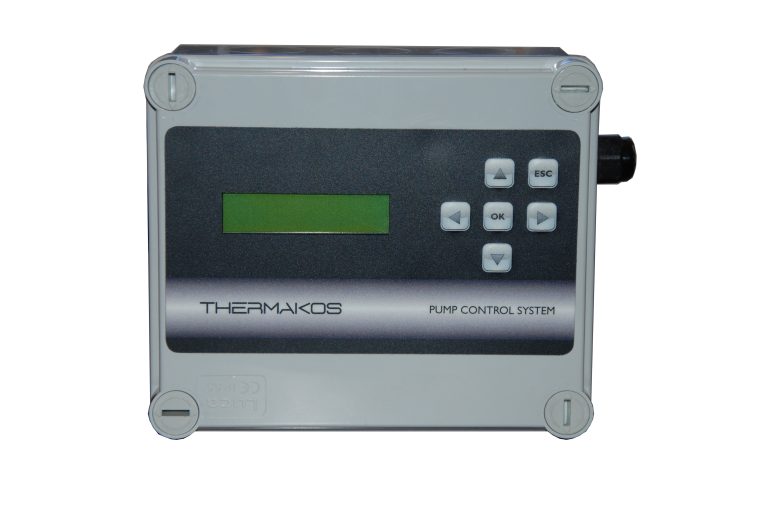
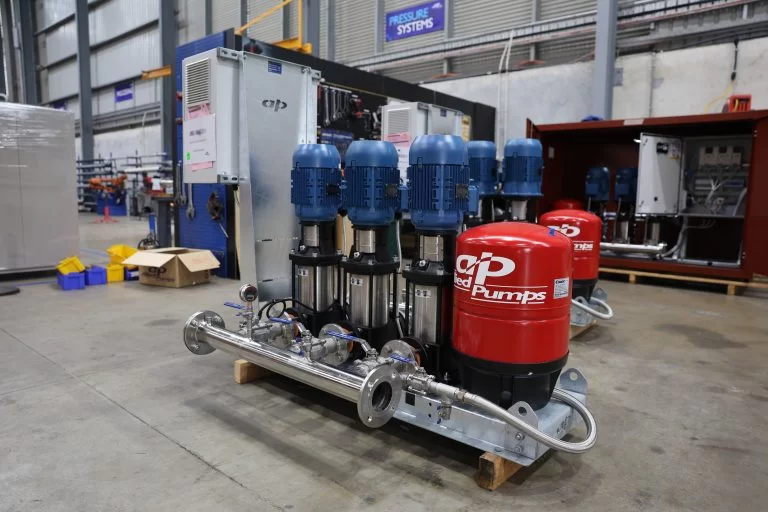
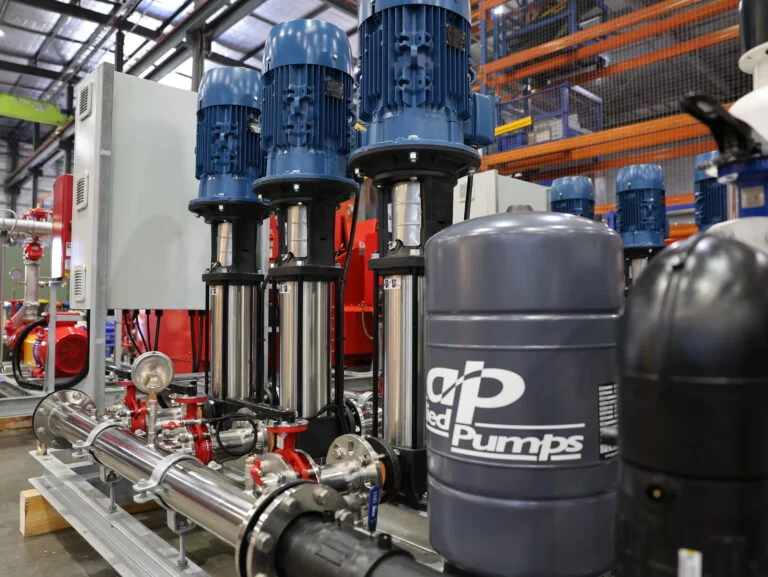
The Hydrokos incorporates output pressure control for systems with 1 to 6 pumps and supports a consistent control arrangement across different pump sizes and variable-speed drive models. This helps provide reliability, consistency, and ease of implementation between installations.
An integrated visual display provides a clear view of the system’s current operating status. Additionally, the Hydrokos also supports boost, low flow, and low-level functionality to help protect equipment during operation.

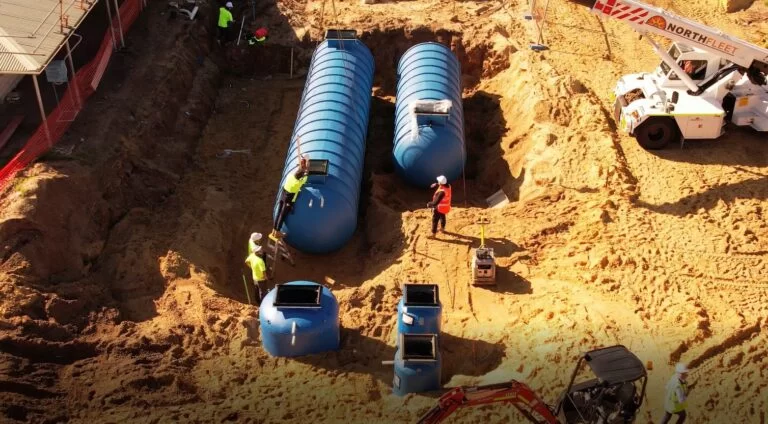
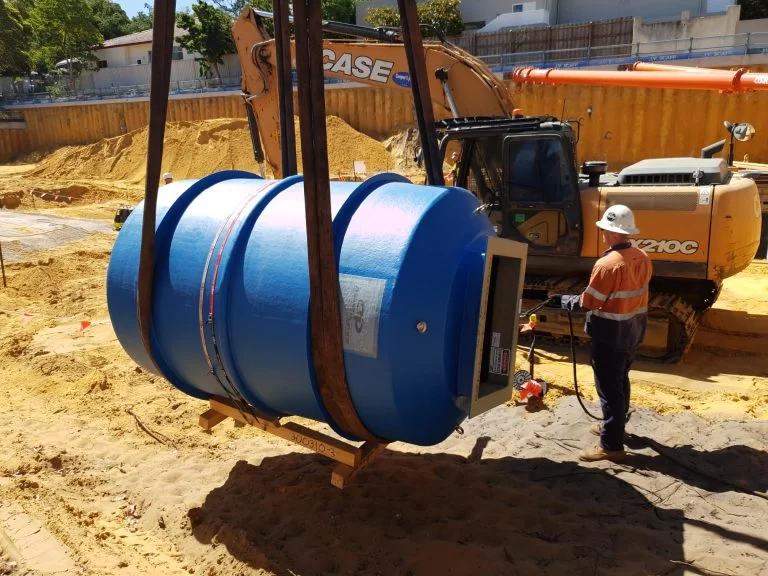
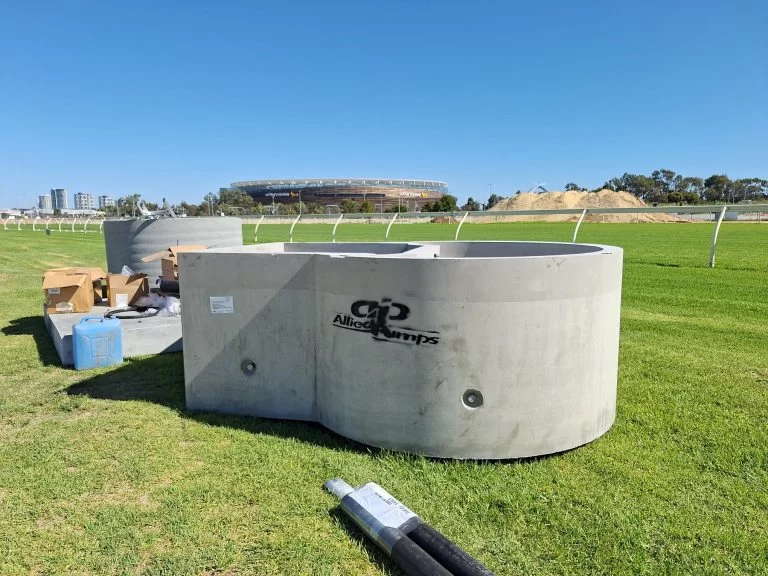
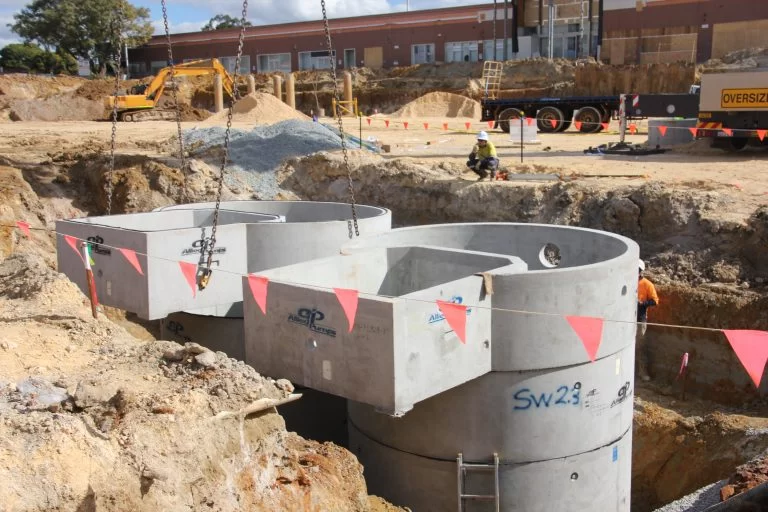
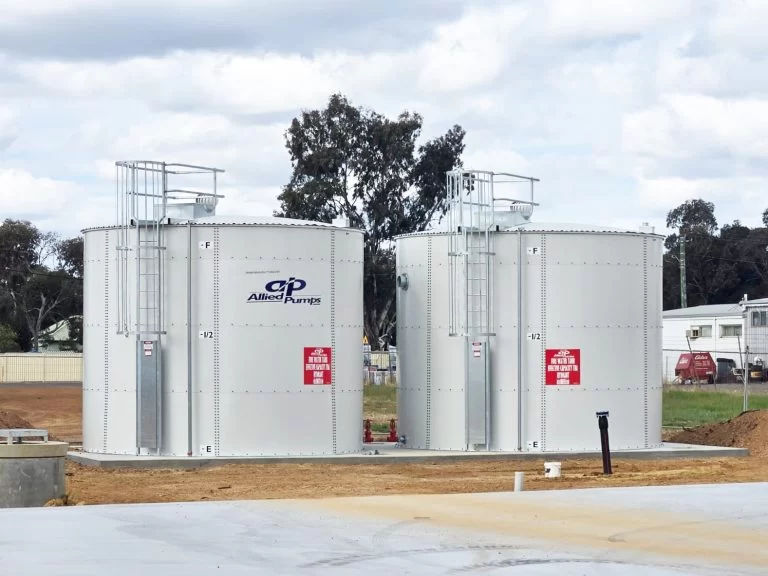
Station street markets were historic markets located in Subiaco that closed in 2015 after 30 years. In 2017, the site became part of a $96M redevelopment plan. We are currently working on this project constructing custom 4.70 diameter by 9.20 high fire water tanks (holding 150 kL each). These are custom specifications to meet the site’s needs. Creating custom length panels highlights our ingenuity and abilities to accommodate clients.

Located on the Burswood Peninsula, the Optus Stadium is part of a large redevelopment that has become a draw card to thousands of people. However, as with all new developments there was a significant change to the existing landscape. Part of the Optus Stadium is bounded by the Swan River and river traffic, some of the retaining walls and steel piles on the water’s edge which could be seen from the water and needed to be addressed which could not be achieved using a land based planting scheme or additional construction. Allied Pumps created an environmentally sound and sustainable floating treatment wetland that can be configured in rafts of endless configurations. They can fit any existing space or water body shape and can operate in fluctuating water levels which was an essential requirement for this project. While the floating treatment wetlands are primarily a water treatment tool, they have the added bonus of being visually appealing with the use of wetland sedges, rushes and grasses providing fast and easy to install beautification options.

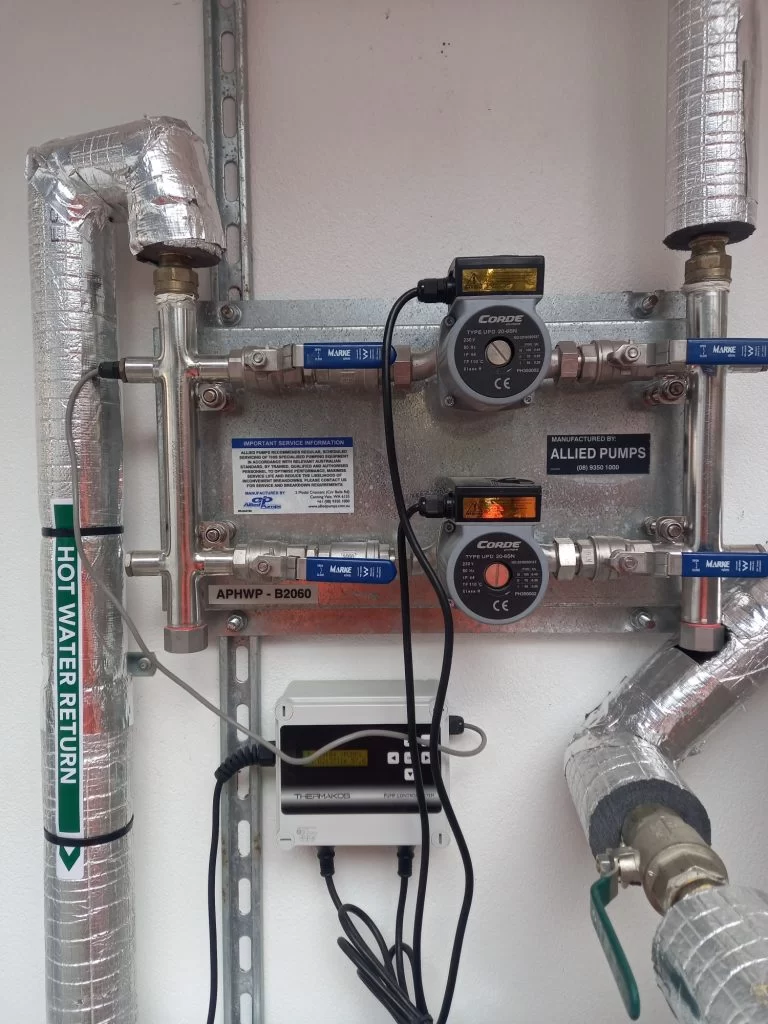
The Cockburn Central Police Station required several tank and pump solutions. Initially a galvanised regular tank was recommended. However, there were design issues with the concrete slab. The station requested an in-situ concrete tank liner. The design was changed to meet this need. Allied Pumps was able to provide a turnkey solution for our client on this project, saving the client from having to engage the services of several different sub-contractors to work on various aspects of the tank installation. This enable the client to place a single order with us for all the work on the tank and supply of the pumping systems, enabling him to focus on other aspects of the project. The final project consisted of a panel tank, circulating pump pack, hot water circulator, fire pump and tank liner pack. The result was a seamless integration between the pumps and the tanks, and reliable fire protection has been the overall outcome.

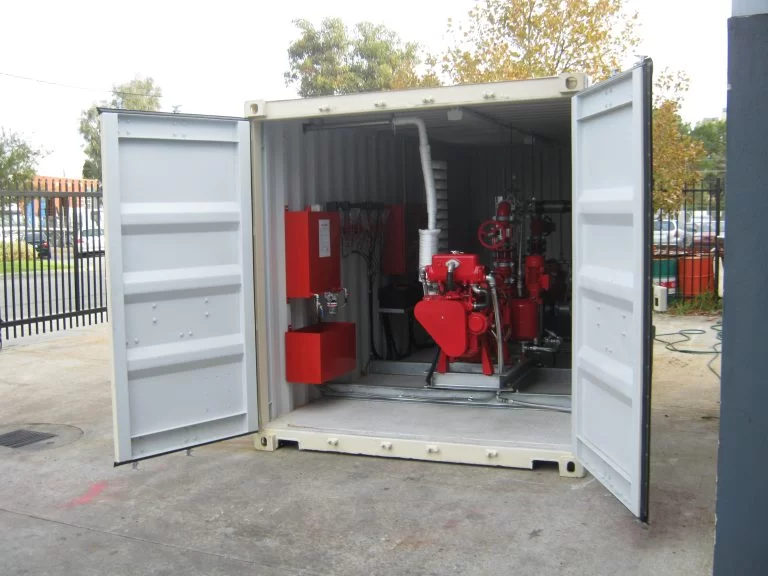
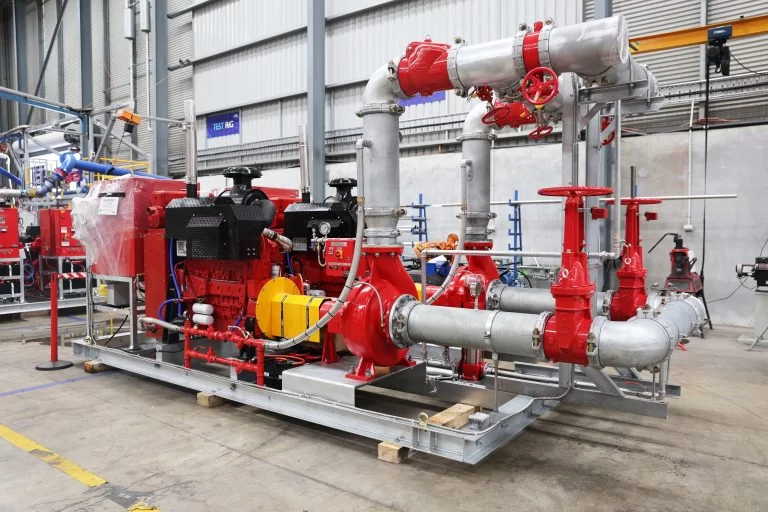
This job represented a challenge as the insurance company who are the insurers of the BUNGE Grain Terminal required that a pumpset built to a North American standard be used on the job, otherwise they would not grant insurance cover. Insurance cover was conditional upon compliance with a standard for the fire pump not commonly used in Australia. This meant that a fire pump had to be specially imported from North America to supply to the fire company fitting out the fire services on site. Allied Pumps were able to work with an overseas Supplier to arrange the build and testing of the fire pump off shore, in a factory in North America, then arrange airfreight of some very heavy packages at considerable cost in order to reduce time lost in transit, to minimise delays in the building construction deadline. A further challenge was that there is NO LOCAL BACK UP for the North American controllers. Allied Pumps was able to rise to the occasion and overcome this challenge by our highly experienced technicians making contact with an overseas electrical technician to gain the knowledge necessary to overcome certain control panel commissioning obstacles. A fine outcome on a very challenging job!

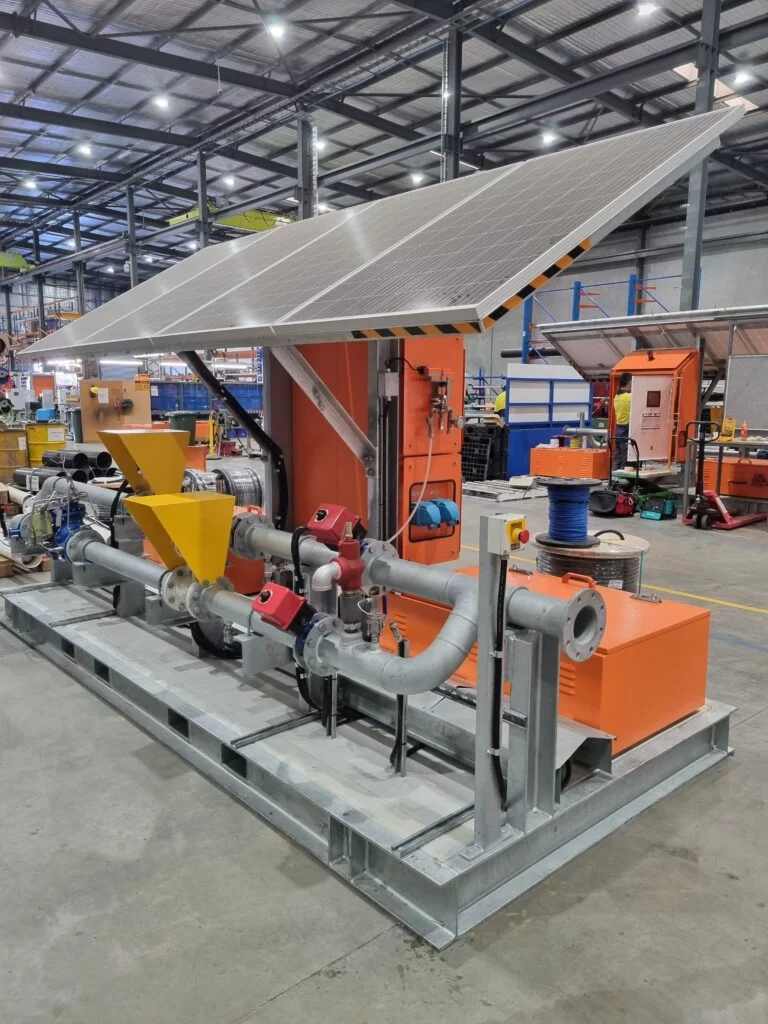
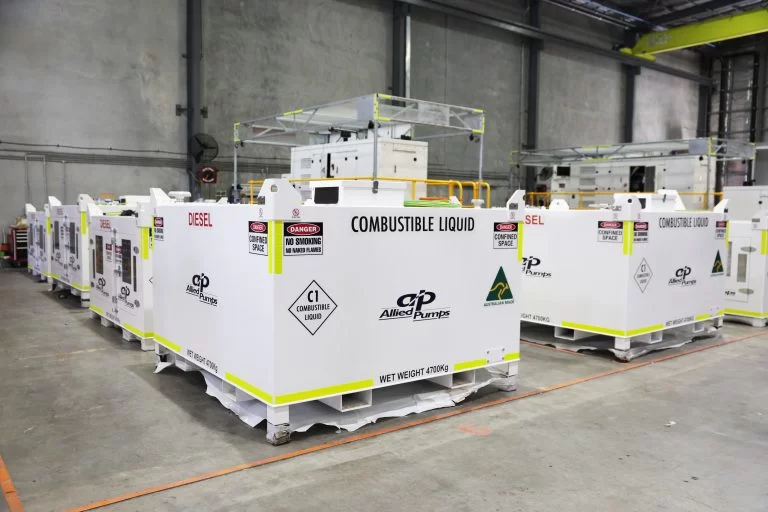
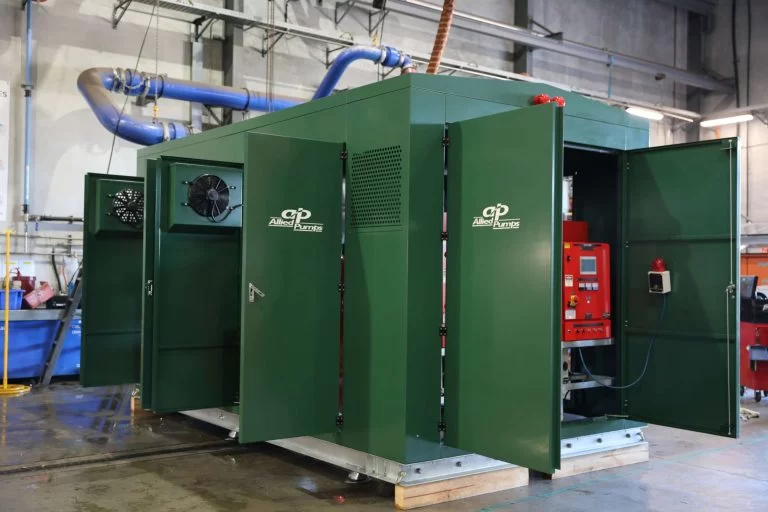
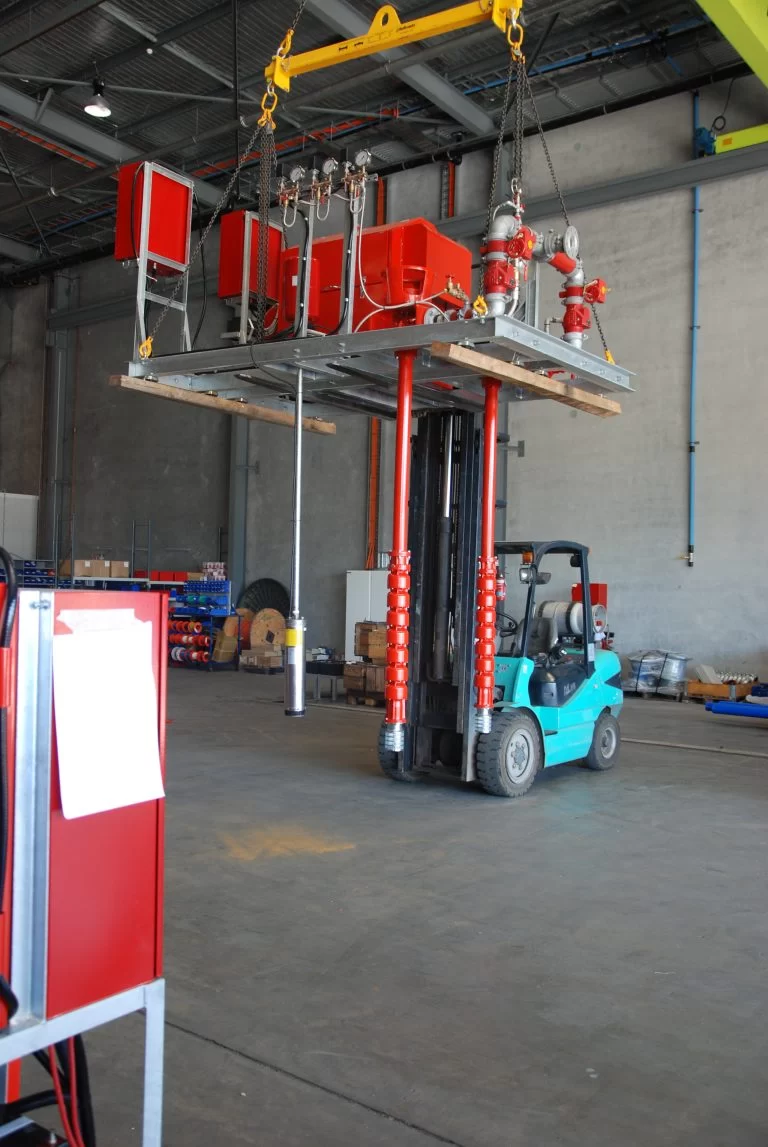
The Roy Hill railway is a 344km standard gauge, single line, heavy haul railway built to transport 55Mtpa of iron ore from the Roy Hill Mine to the Port stockyard facility, in the Boodarie Industrial Estate south of Port Hedland. This operation uses a lot of diesel and was in need of a large bulk diesel facility to rapidly fuel the trains to meet production and delivery demands. This would allow them to function more efficiently. Nothing of this nature had ever been accomplished. Traditionally fuel facilities have pumps for unloading, loading and other refuelling activities located around the site and are wired back to a Motor Control Centre building. Our solution was to consolidate the pumping, compressed air equipment and Motor Control Centre onto a single super skid. The skid was pre-fabricated, assembled and tested at our facility and lifted into place on site where only a single lift was required. The project was delivered on time and as requested.

Our client required new potable water and fire water storage tanks to be manufactured onsite. The location is particularly close to the harbour shoreline and situated in the category 5 cyclone region, which means winds can be in excess of 280 km per hr. This impacted every facet of design. We had extensive contact with suppliers to find alternative products that could withstand the aggressive environmental location. The process included a search for tank wall, nuts, and bolts all the way through to paints and roofing materials. We successfully installed all the equipment on schedule, within a 3 week period with no major disruptions or safety incidents. The tank construction was guaranteed for 25 years. The client was very satisfied with the end solution.

Formed in 1905 to obtain, treat and distribute water supplies, the Bunbury Water Board has served the people of Bunbury for over 100 years. The city’s early settlers knew of water stored naturally underground and tried to use it to replace the Collie River and the Preston River, which were the only sources of water for drinking in those days. We supplied the first variable speed system to the water authority. It’s still being used today.

A residential complex in Perth required an innovative way to pump water to reduce power consumption and improve sustainability. In many new buildings, there is a push to use a single basement tank with basement pumps pressuring all the way to the top of the apartment block. However, Allied Pumps had a better solution. A small pump and tank at the basement of the apartment block transfers water to the rooftop tanks at a low flow, keeping the rooftop tank full. A smaller, variable speed pump supplies the top few floors, whilst the levels below are fed by gravity. With a roof top tank full of water at all times, even during a power outage, the system can still supply the residents with water. Smaller pumps, simpler control logic, and reduced tank capacities all kept initial costs low and provided huge benefits for the complex.

Canal Rocks Beachfront Resort sits waterfront at Smiths Beach in Yallingup. It offers beautiful accommodation for families, friends and couples visiting Yallingup and its surroundings. The facility required a fire pro pump set. We used the first AS2941-2013, which we designed, manufactured and installed the system, ensuring it met all standards and regulations. The project had its challenges since it was a first, however its successful completion enabled us to learn valuable information which will help in future installations. The project highlighted our ability to quickly learn on the job whilst successfully completing the project brief.

We were recently involved in supplying fire protection for Perth Airport. View the video to see the testing DFES conducted at the facilities in March 2017.
The Hydrokos controller can control 1 to 6 pumps, making it suitable for a range of single and multi-pump pressure systems.
The Hydrokos Variable-Speed Pressure System Controller is typically used with pumps ranging from 0.37kW to 75kW per pump.
Yes, Modbus TCP communication is available if enabled, allowing the system to support remote BMS communication where required.
Yes, the Hydrokos allows easy interrogation of historical alarms and trends, helping with system review, maintenance, and troubleshooting.
The Hydrokos controller includes boost and low flow shutdown functionality, as well as low level and auxiliary component fault pauses for added system and equipment protection.