






We can perhaps be forgiven for thinking that Perth’s endless summer was never going to come to an end. But end it did at the end of May and its impact will be far reaching as we will discuss.
The issue:
The sudden influx of rain water into the drains and sewer systems provides a challenge for civil infrastructure, and ultimately our waterways and large bodies of water including lakes, rivers and oceans.
It is not just the amount of water that needs to be channelled quickly, but everything that is carried with it on its journey through the storm water systems into the waterways.
Perhaps the most visible issue is the litter and debris that accumulates on the roads and verges. But there are other gross pollutants that end up being washed into the stormwater system. For example
- High risk sites – fuel storage and refuelling areas including fuel stations and airport runways
- High load industrial sites such as wash bays and stockpile hardstands
- Shopping precincts and commercial premises; and
- Residential developments
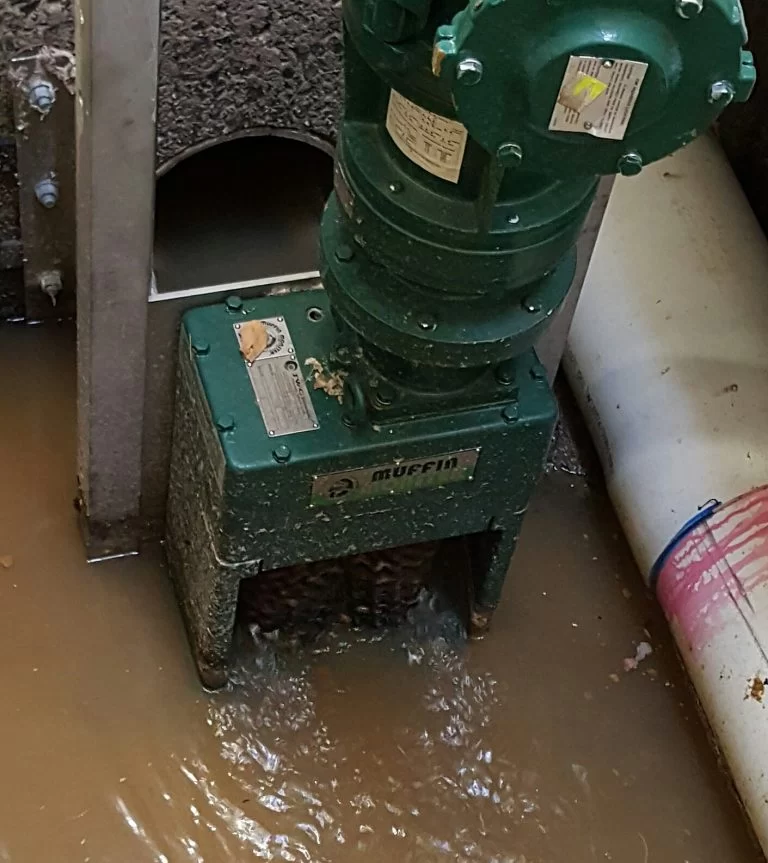
As the storm water washes through these areas the runoff mixes with dust, soils and plant matter into the drains to mix and tangle with what is already in the storm water systems – which can cause significant blockages and backups and before reaching the larger bodies of water (rivers, lakes and oceans) where their impact can have a devastating effect.
What are Water Pollution Pathways?

We have mentioned a number of water pollution pathways, but these are not the only ones to consider. For example:
Urban Pollution
- These include the high-risk areas listed above, but also includes fats, oils and grease from roads and carparks. If you have ever seen what looks like an oil slick on the road after a rainy period will realise these pollutants will end up in the drainage system.
Agricultural Pollution
In addition to the gross pollutants (fuel / oils) associated with large pieces of farm machinery, there are other significant pollutants to take into consideration, including:
- Fertilisers
- Pesticides
- Animal Waste
Industrial Pollution
Industrial pollution is generally referred to the undesirable outcome when factories (or other industrial plants) emits harmful by-products and waste into the environment such as emissions to air or water bodies (water pollution), deposition on landfills etc (land pollution) or emission of toxic chemicals into the atmosphere (air pollution). These pollutants include:
- Chemicals; and
- Tailing Dams which are used to store the by-products from mining operations and can be prone to failure causing significant pollution.
Ocean going vessels
- Cargo vessels for example Oil tankers transport oil and petrochemicals – there have been a number of high profile cases that have caused significant spills. However, any ocean going vessel can capsize – adding fuel and cargo to a fragile environment
Cultural Eutrophication
- Human activities – Due to clearing of land and building of towns and cities, land runoff is accelerated and more nutrients such as phosphates and nitrate are supplied to lakes and rivers, and then to coastal estuaries and bays. A recent report highlighted why land clearing is bad news for the great barrier reef. http://www.abc.net.au/news/science/2018-05-25/why-is-land-clearing-bad-news-for-the-great-barrier-reef/9783420
- Organic Pollution – through the use of fertilisers and chemicals (gardens, parks and golf courses)
Landfill Pollution
- Improperly built or maintained landfill sites allows chemical and nutrient seepage into groundwater.
Construction
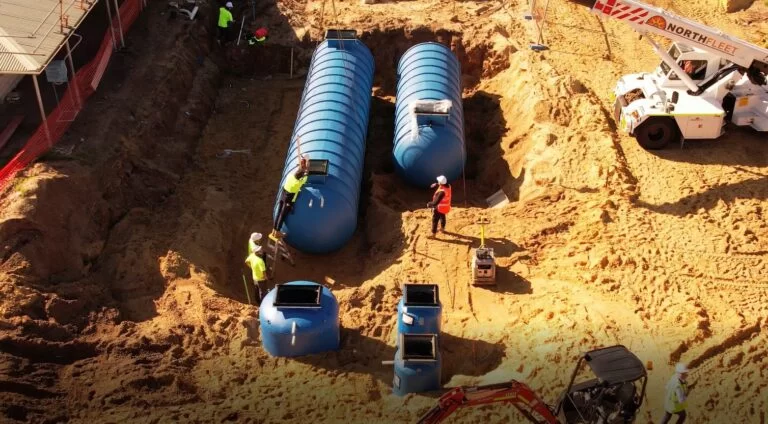
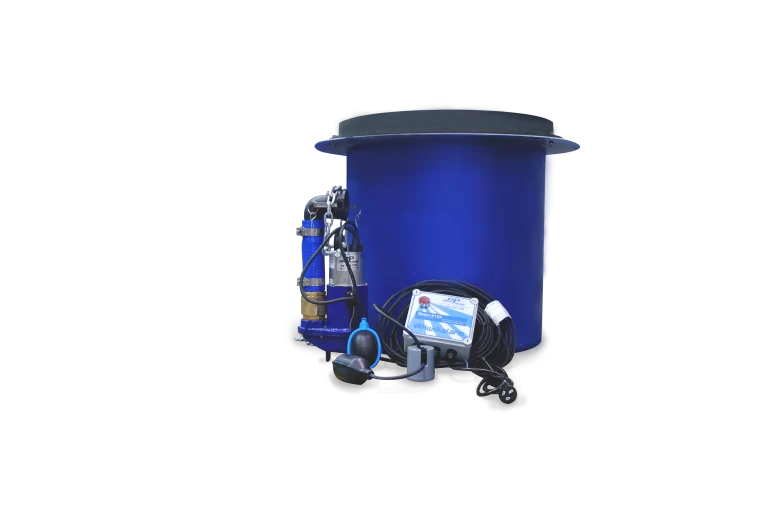
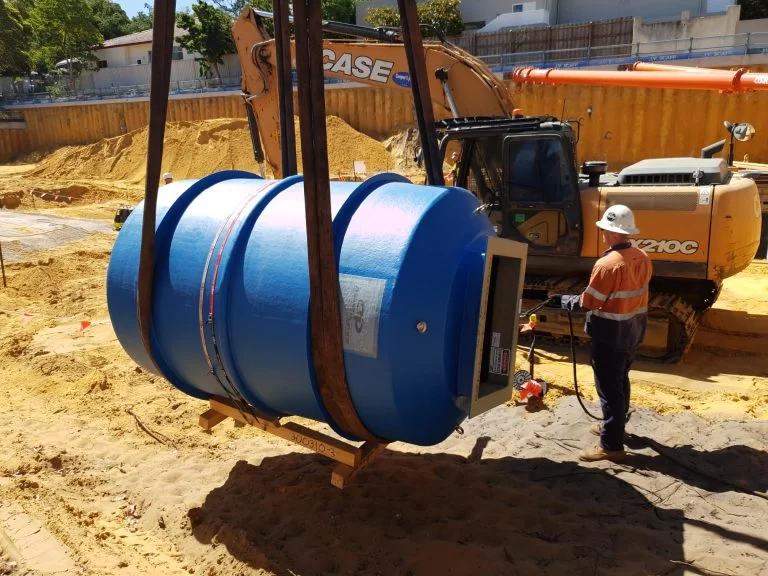
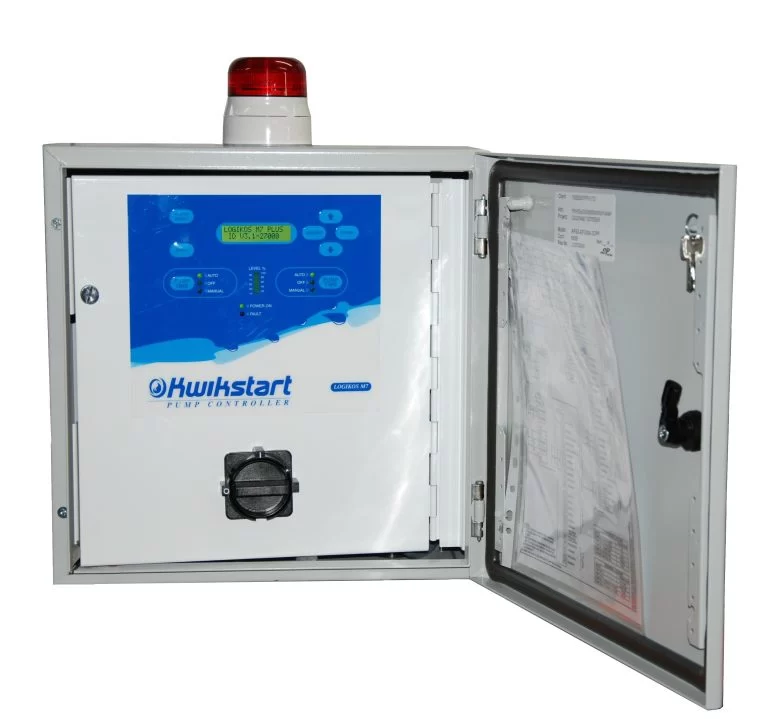
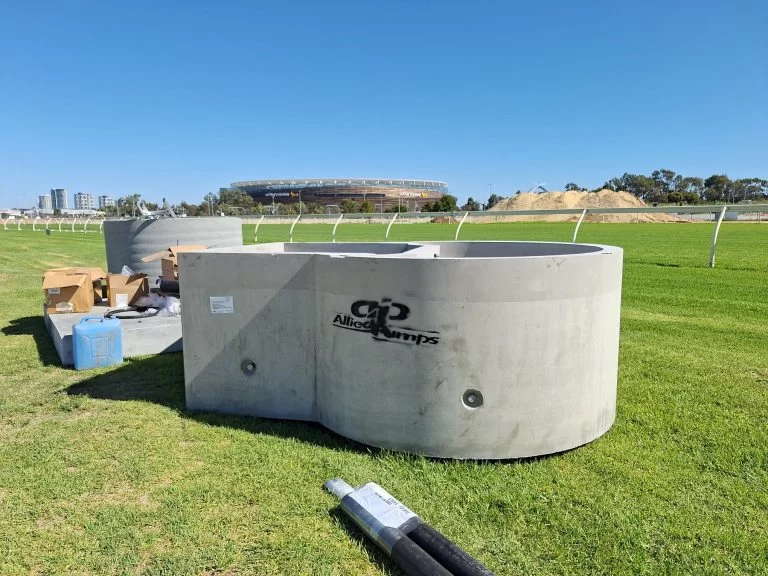
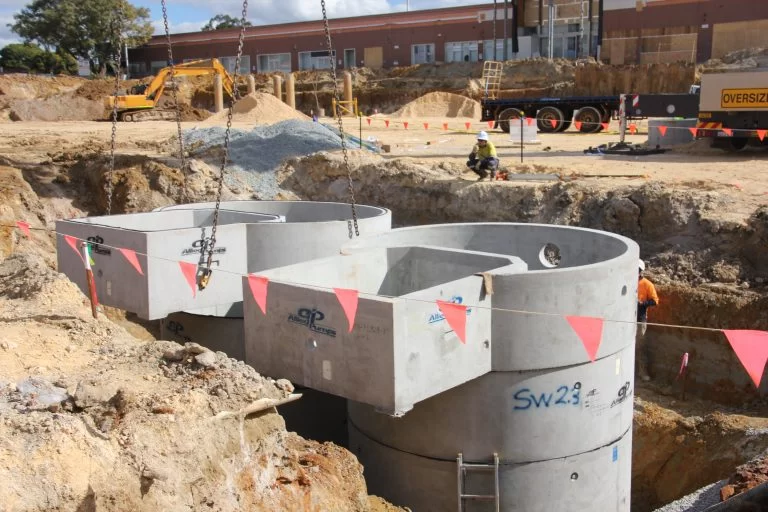
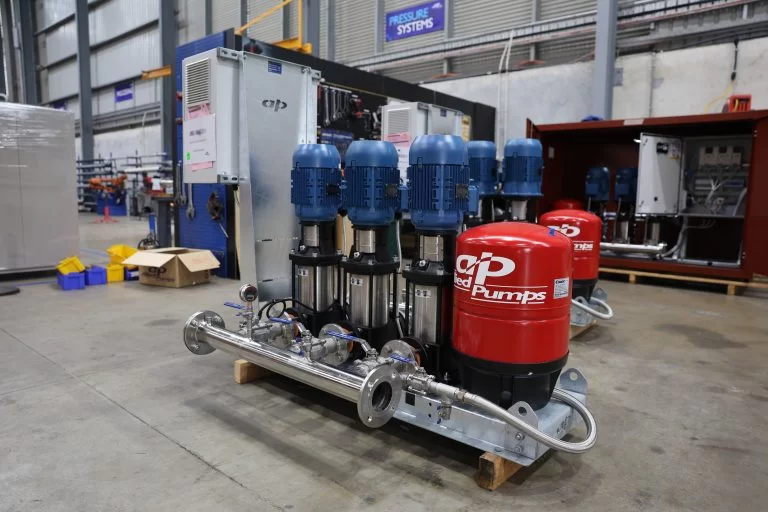
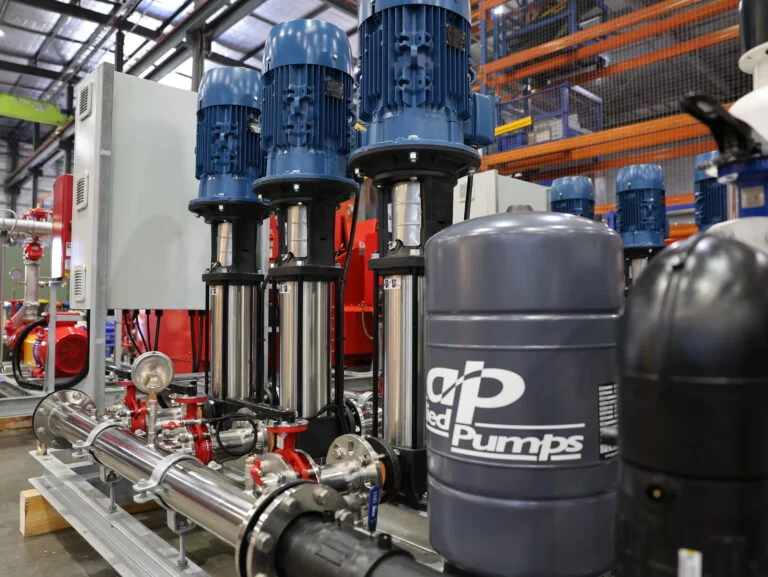
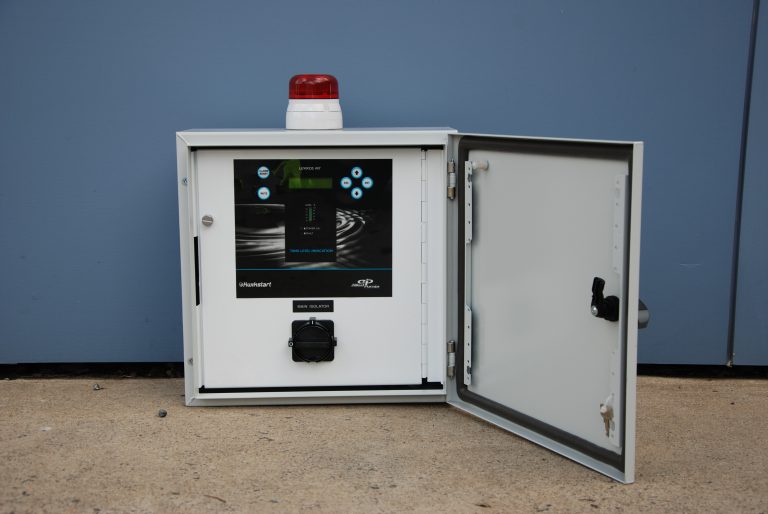
- New developments produce a number of significant water pollution pathways while they are being developed. The good news is these can be mitigated against. The design engineer of Vincent Street, Leederville was presented with substantial difficulties in achieving sufficient detention for stormwater generated by a new development. The completed design employed a single line of SPEL HDPE Stormchambers with a high-level entry from the syphonic roof drainage system and a high-level exit to an Allied Pumps Packaged Stormwater Pump Station. Read more about how we were able to assist with this project.
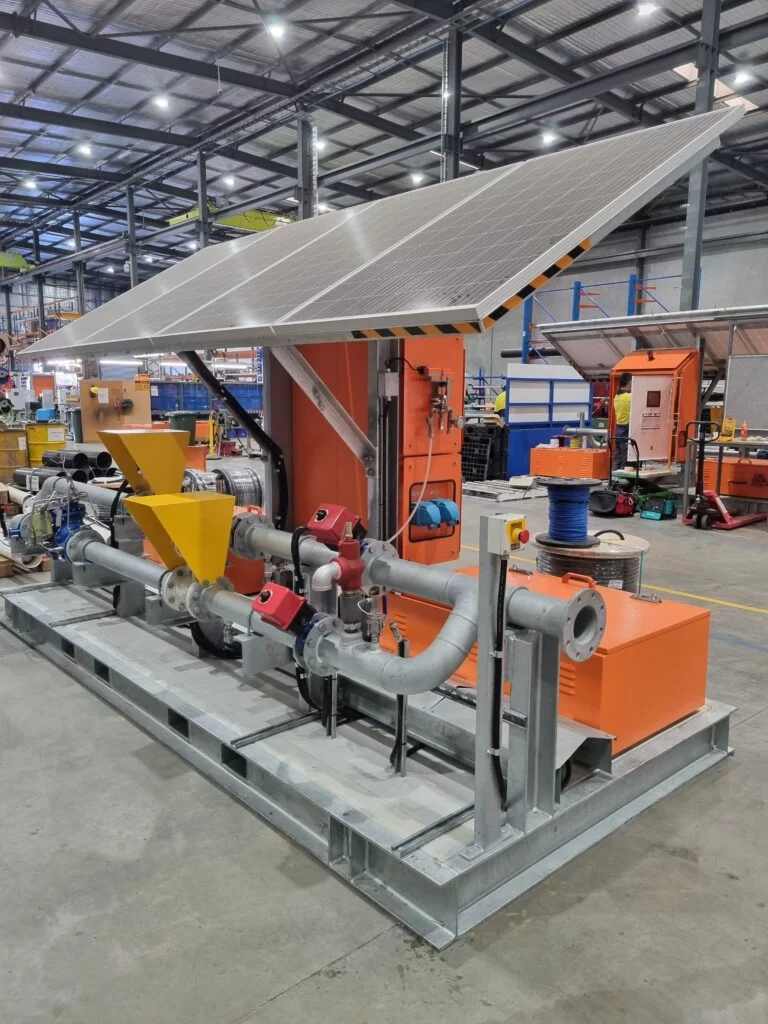
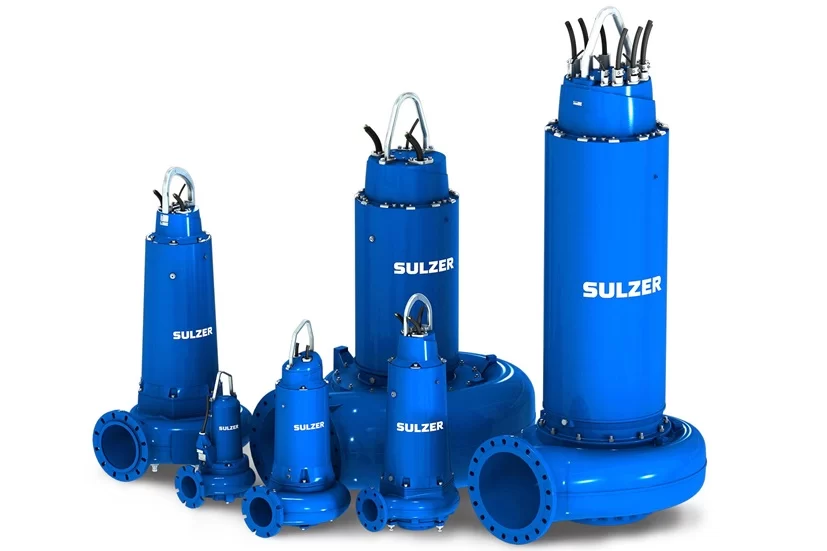
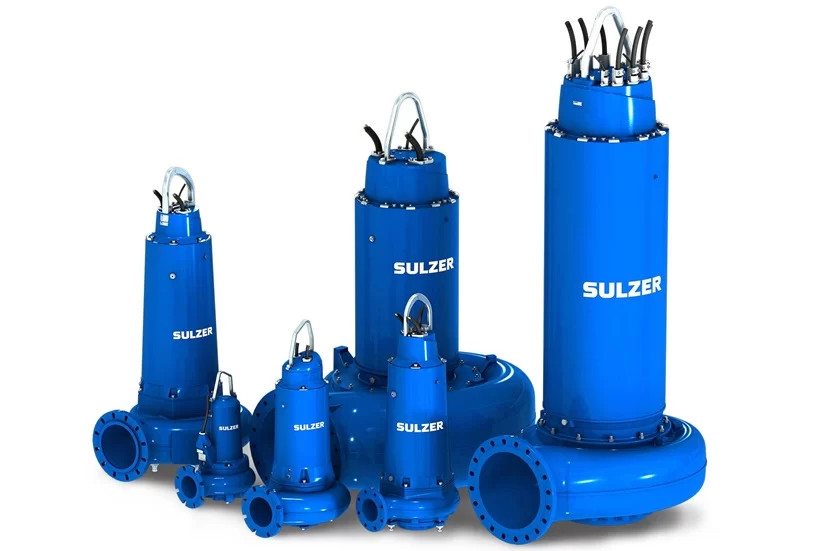
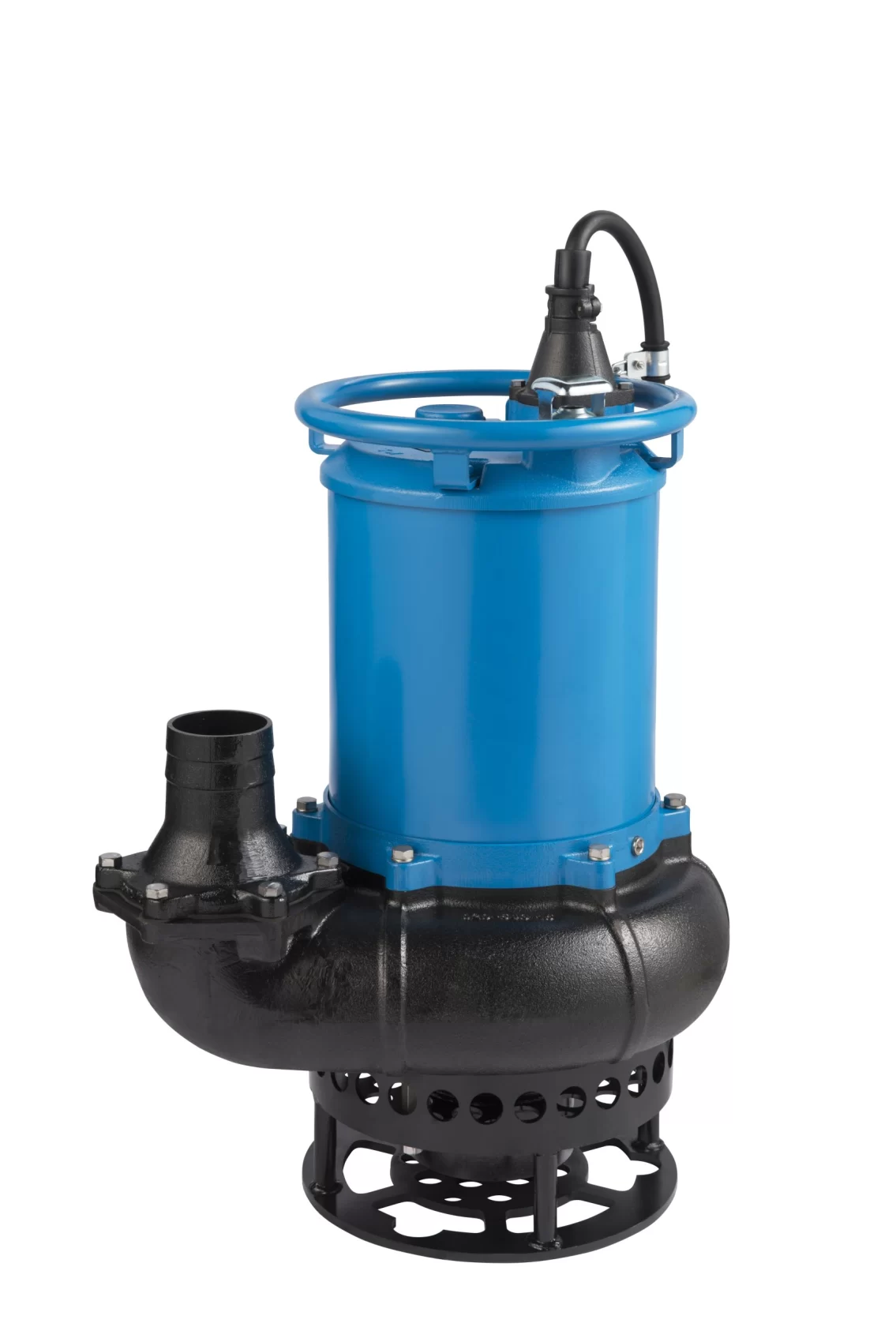
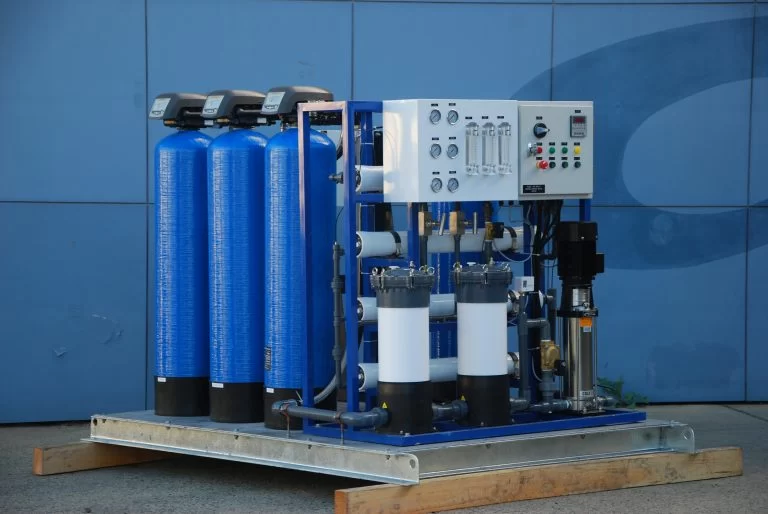
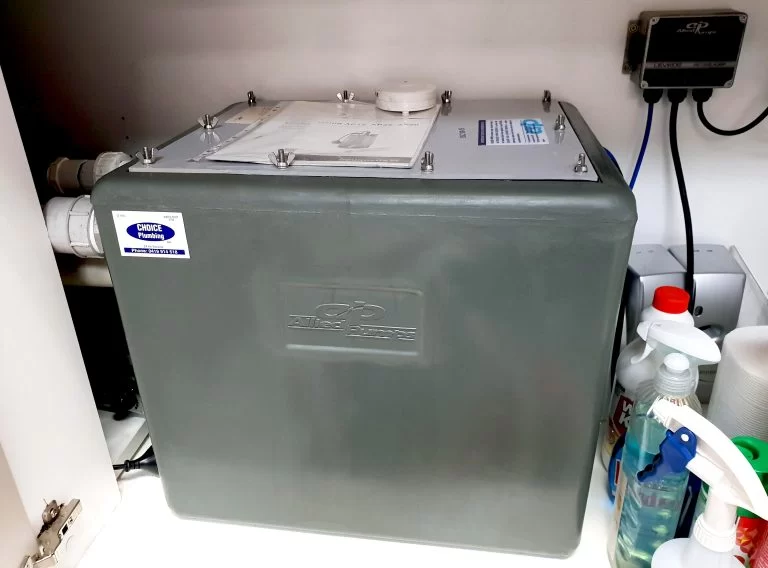
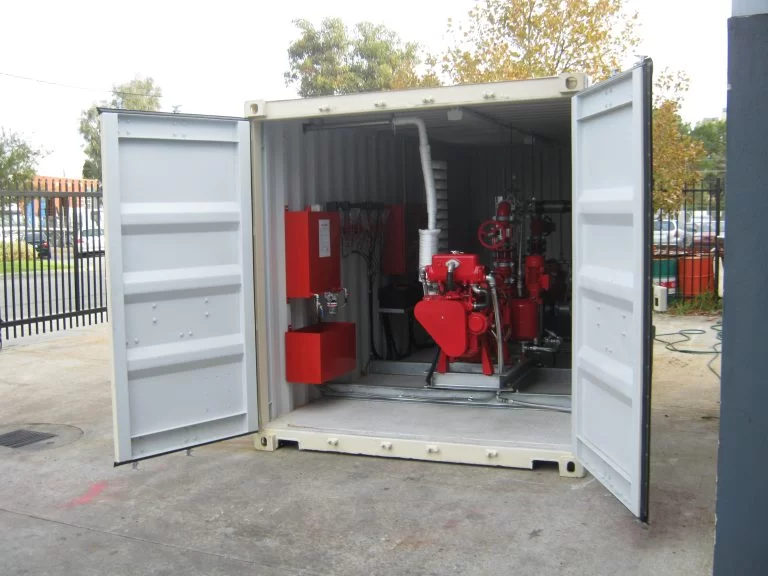
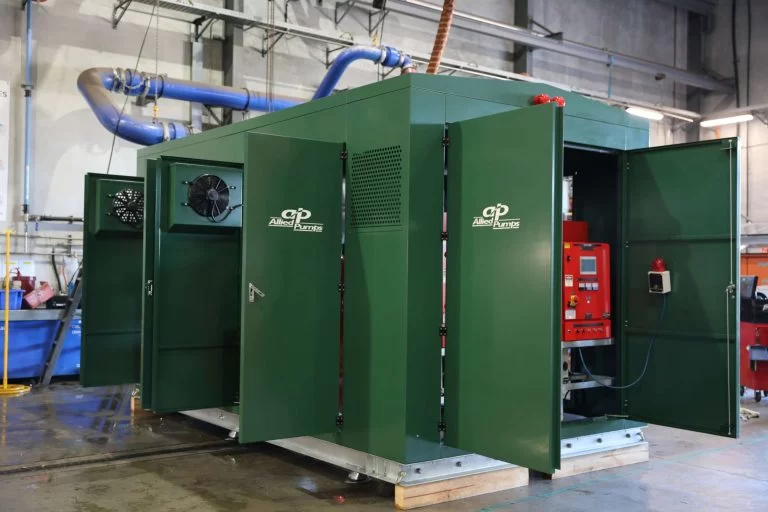
Allied Pumps provides a range of solutions to help counter the devastating effects that storms and pollutants can have on our fragile ecosystem. If you would like to know more about our products and services, please contact us.