



















The risk of fire is always a reality no matter where you are. This imminent threat is likely intensified by the lack of fire prevention practices and sustainable solutions. Fire prevention should be an integral part of a fire reduction strategy; however, it can be cost-prohibitive.
2017 saw many deadly fires
2017 was a deadly year with catastrophic fires all over the globe, including the Grenfell Tower Fire in London, which killed 79 people. Another multi-resident building fire in the Bronx in New York took 12 lives. There was even a large fire in a Liverpool, UK car park, burning over 1,400 cars.
The devastation and consequences of fires are stunning, yet some question why these deadly fires are still happening in a world so advanced. In the 21st century, it is hard to understand why these incidents keep occurring, as there’s so much information and insights on fire prevention, protection and risk available. Whilst the information is available, that doesn’t mean these practices are being implemented.
Fire risk increases in high-income countries
Research indicates that risk factors relating to accidental house fires, injury and death in high-income countries have seen an increase in the last five years. This increase could be the result of several factors, including use of new materials in building, fires spreading rapidly due to proximity of buildings, and reduced funding for community fire brigades. Poverty is also considered a risk factor for these types of fires.
This current environment may indicate failure of existing fire prevention models. Fire safety isn’t just a concern for government agencies, city planners and experts, it’s a social problem. It’s a problem that entire nations and communities need to address together.
Four goals of fire prevention
Fire prevention isn’t the reaction to the predictive analysis of probability. Prevention is making sure the event never occurs. For a fire prevention plan to be successful, there are four goals to meet:
Life Safety: The life and well-being of others is the first and most important goal.
Property Damage Prevention: Taking proactive actions to protect property and the environment from fire related damage.
Protecting Operations: If fires are prevented then there should be no disruption to work operations.
Education: This goal encompasses the necessity to share information and connect with public. This includes active and passive protection scenarios.
Despite all this knowledge and assumed visibility, there are still very few countries that offer education about fire prevention to children. Whilst fire prevention isn’t complex, poor execution can still be a problem. The absence of proper fire prevention implementation and long-term solutions are contributors to the increase in fire risk.
Why it’s imperative to plan and implement
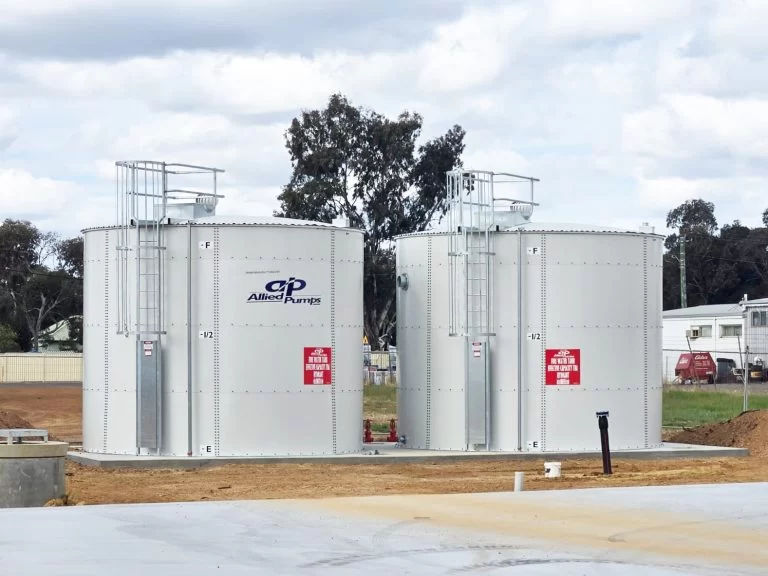
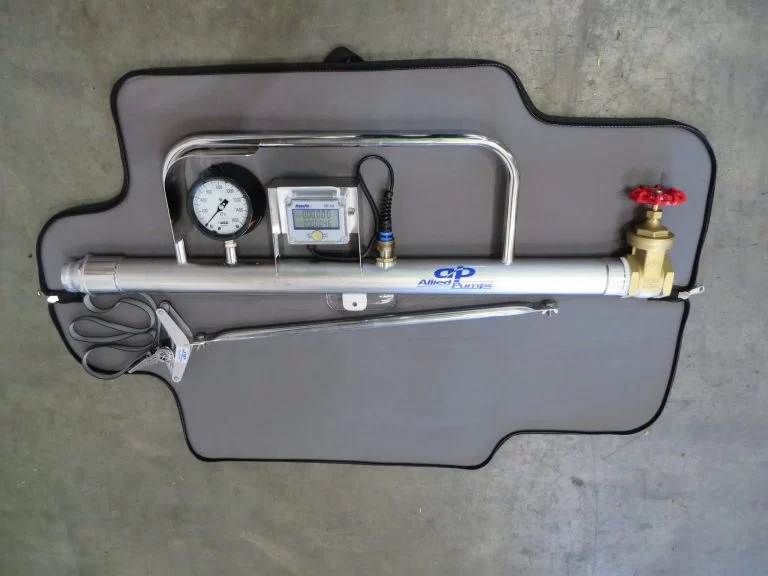
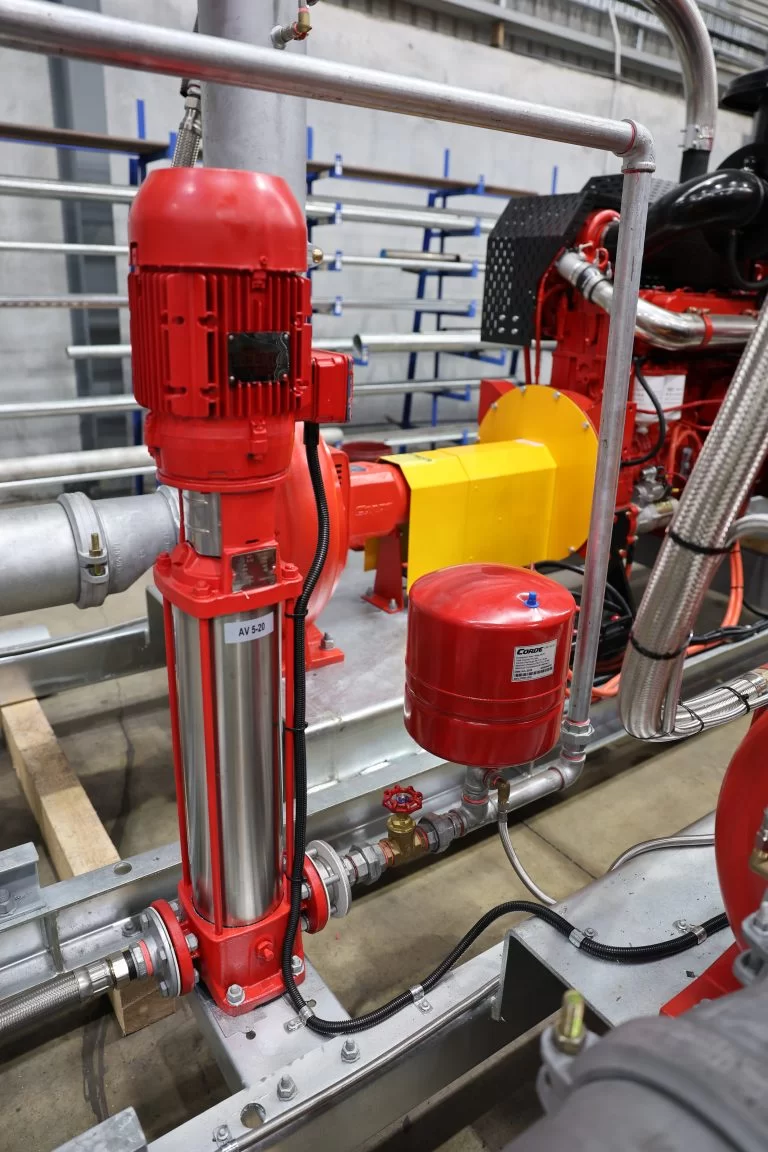
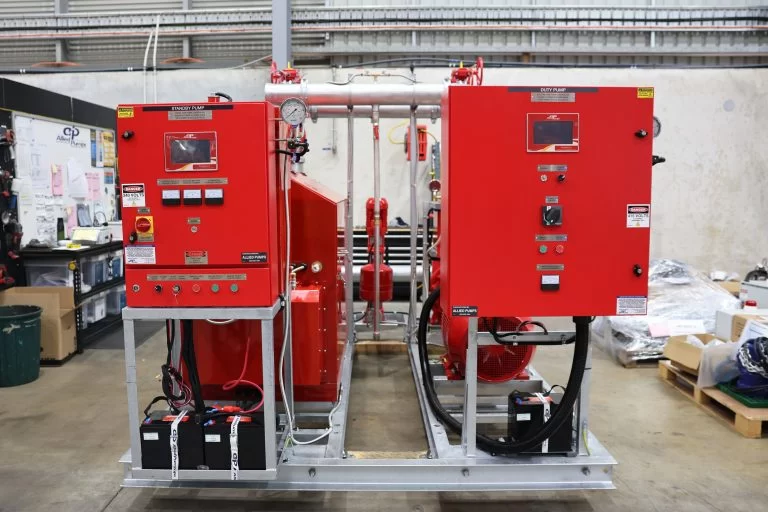
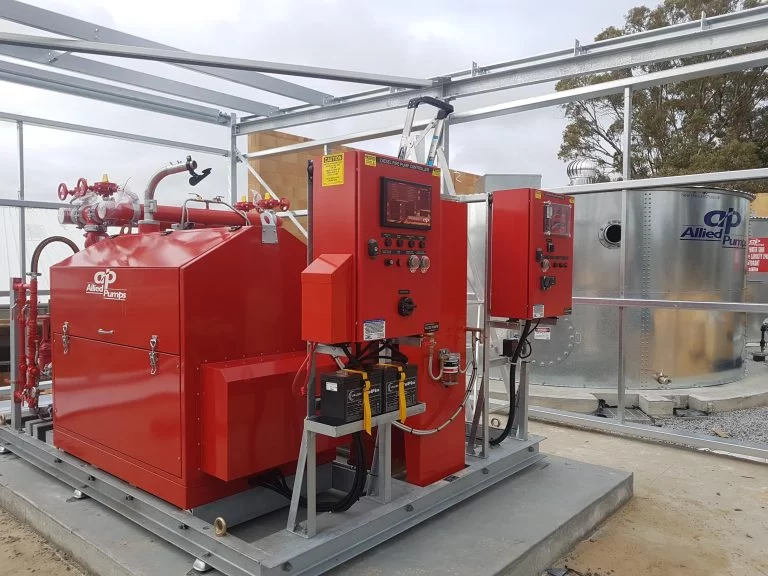
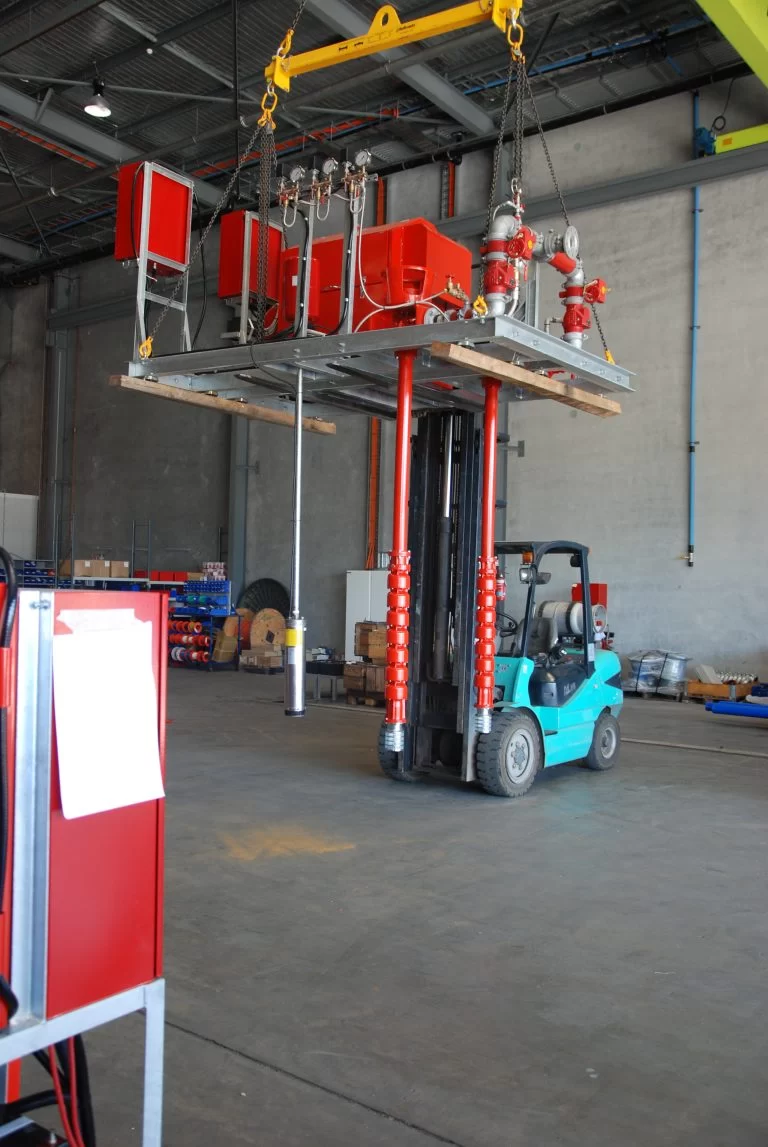
Solid fire protection planning and implementation can save lives and safeguard property. Be better prepared for the possibility of fire by being proactive. Allied Pumps has over 28 years’ commercial fire protection experience. To share what we’ve learned along the way, we compiled a Handy Guide to Basic Fire, Pump & Tank Compliance ebook to assist industry specialists in understanding compliance requirements. You’ll find highlights on compliance features required of fire, pump and water tanks. Read it today to learn more about safety and compliance.