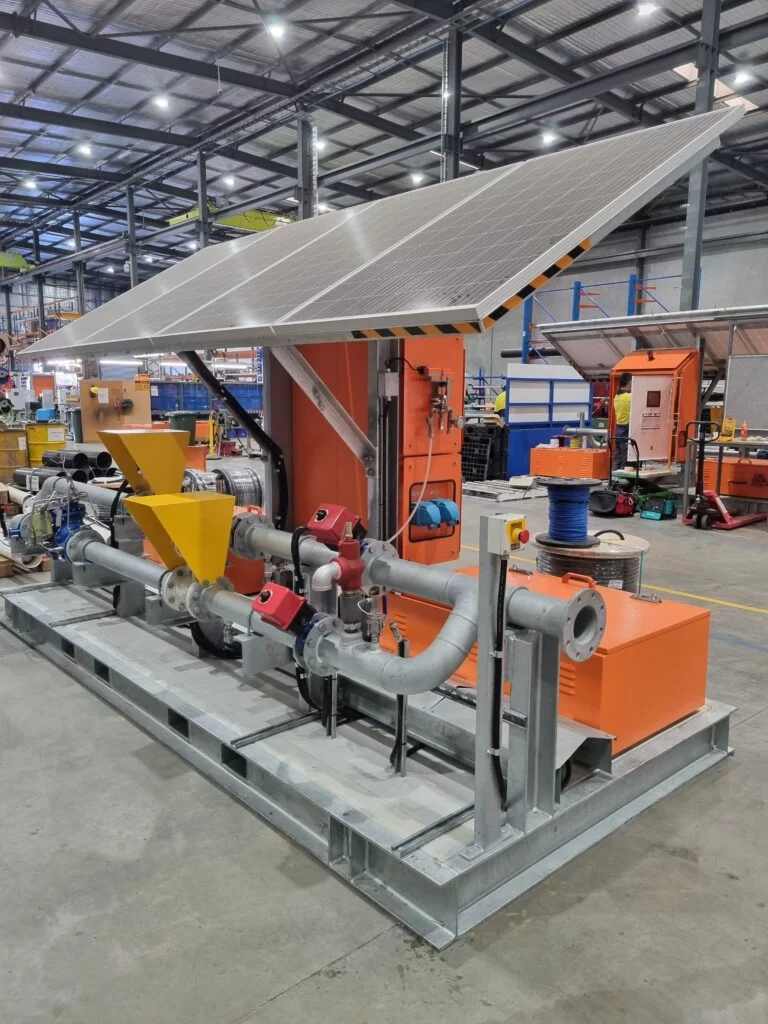
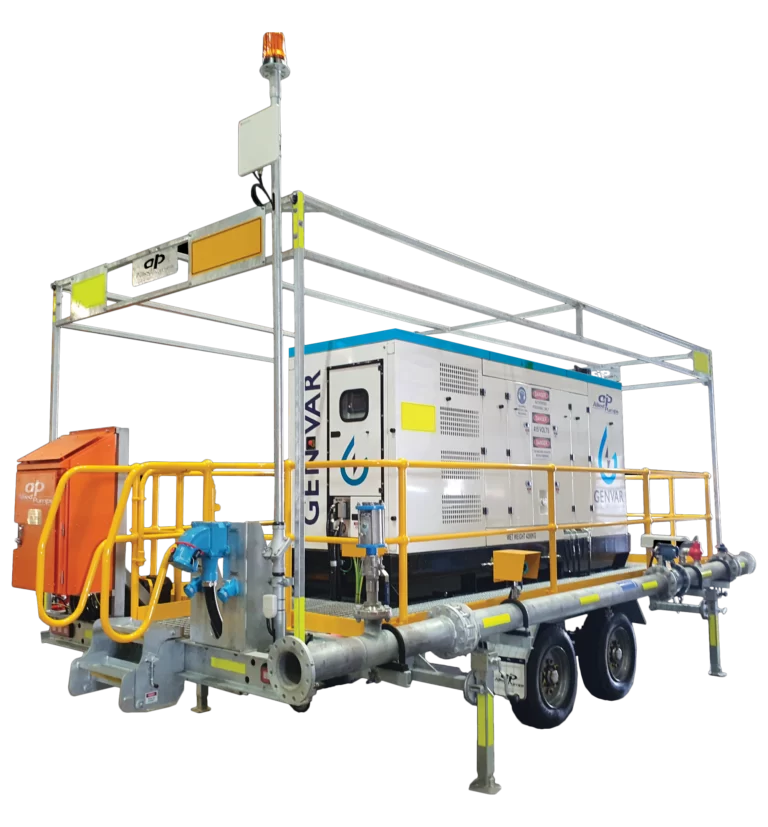
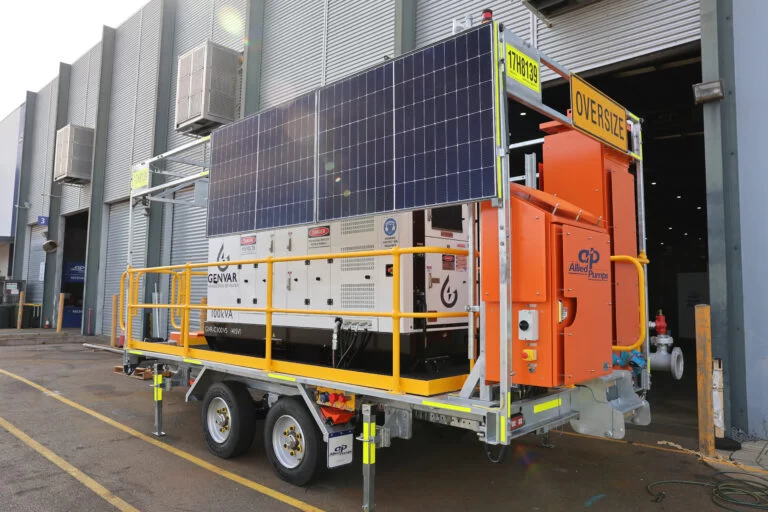
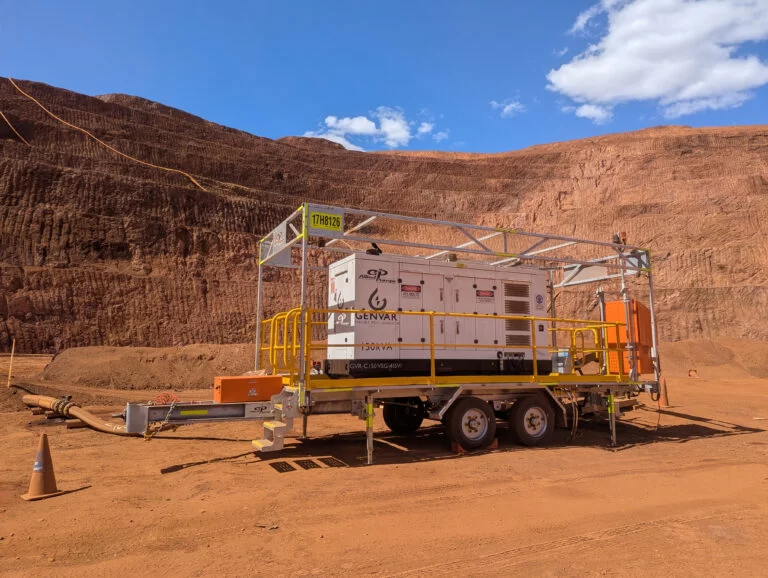
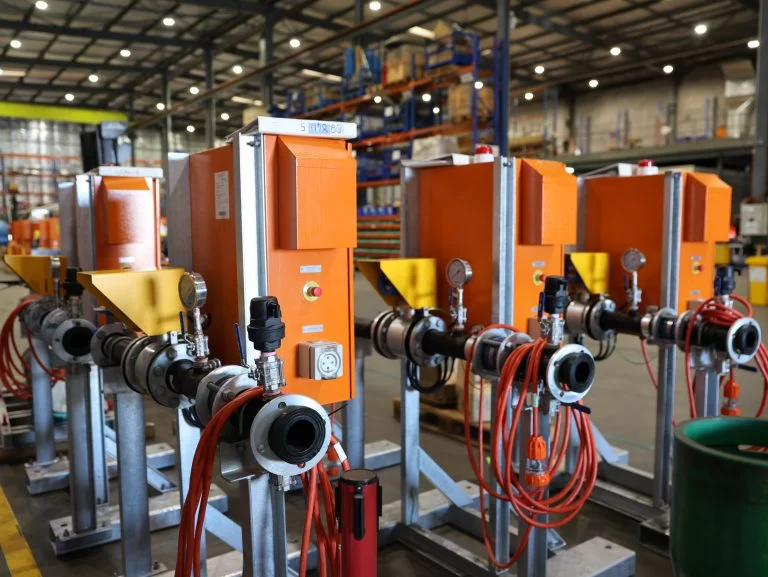
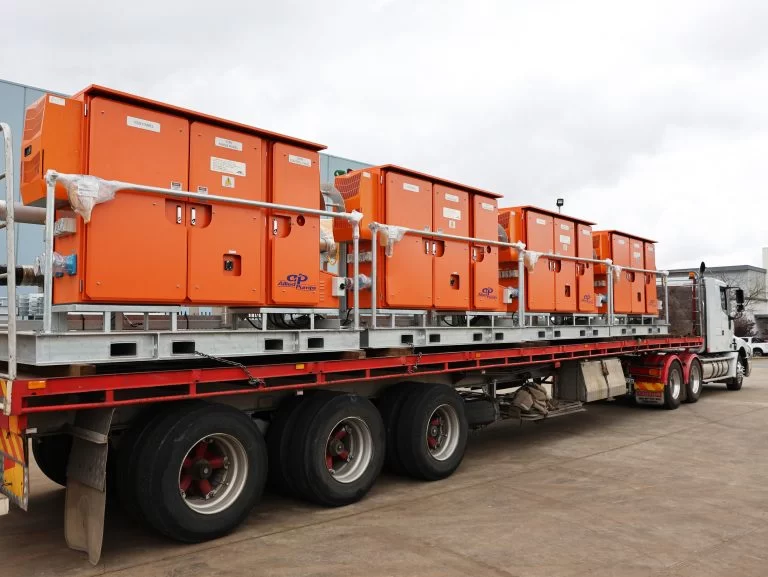
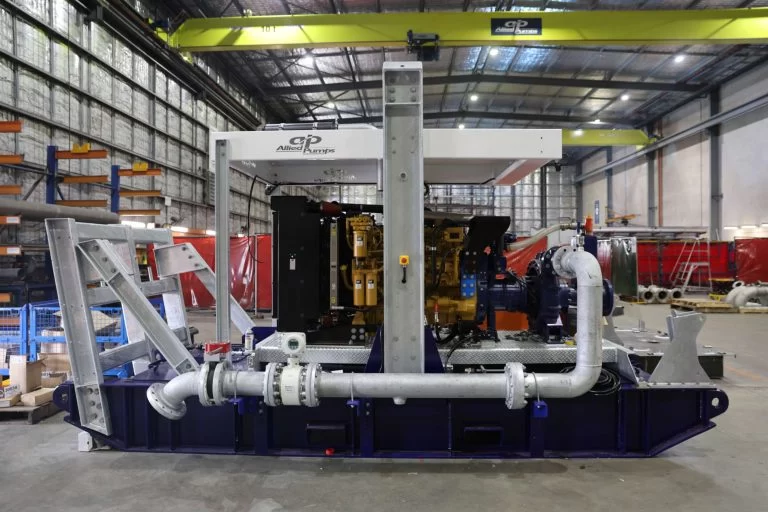
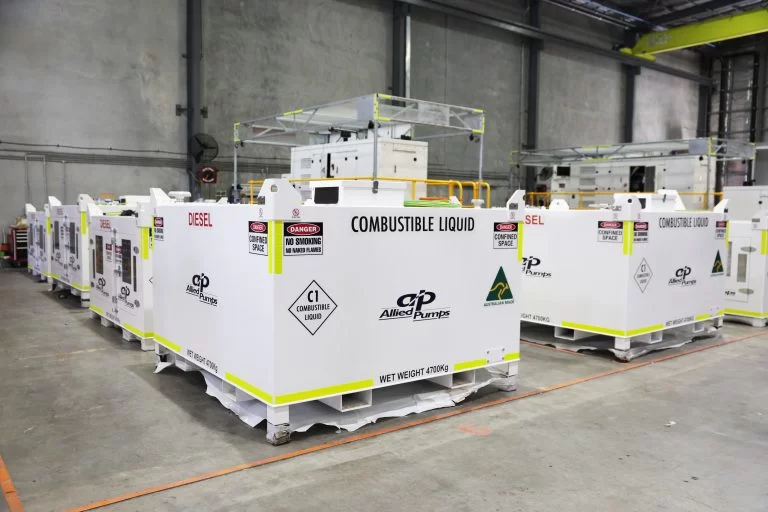
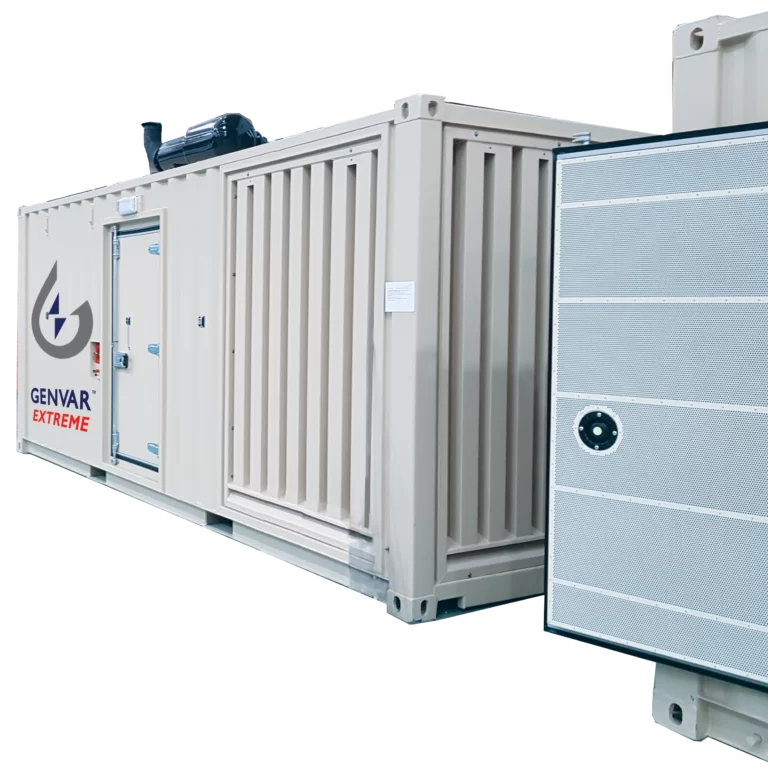
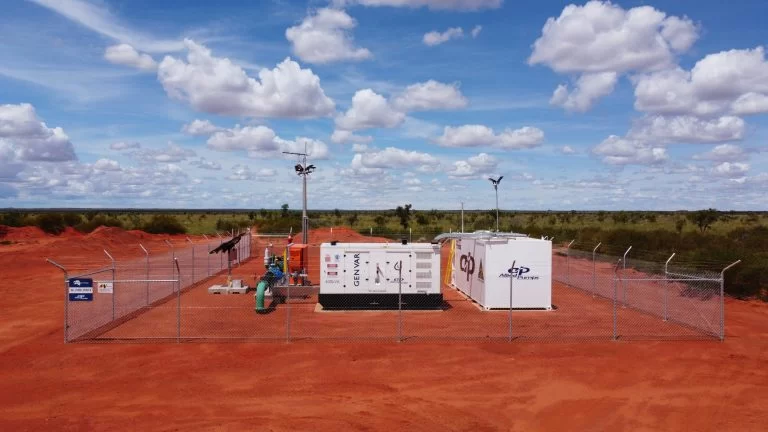
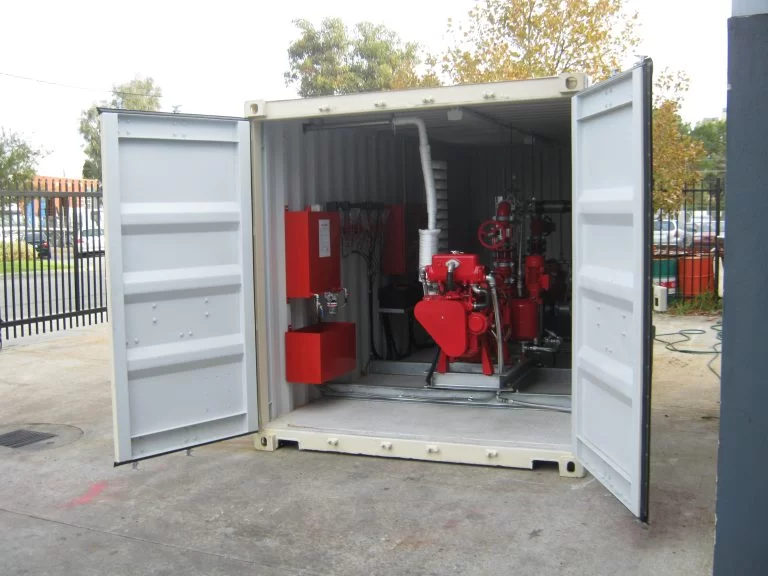
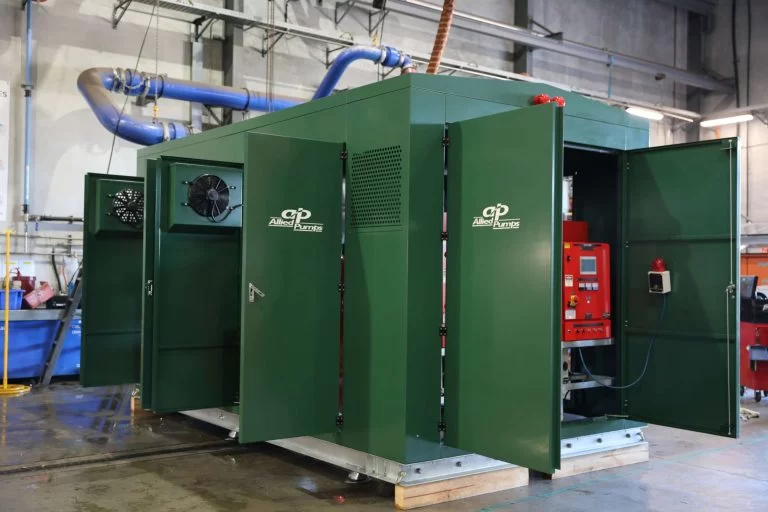
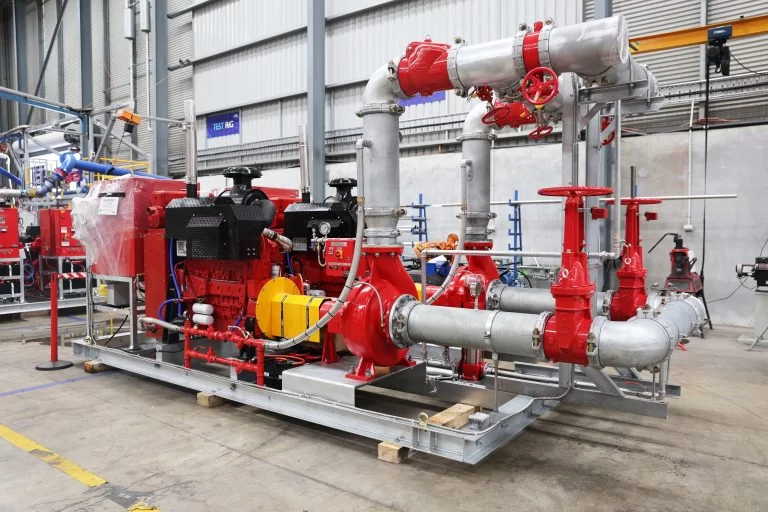
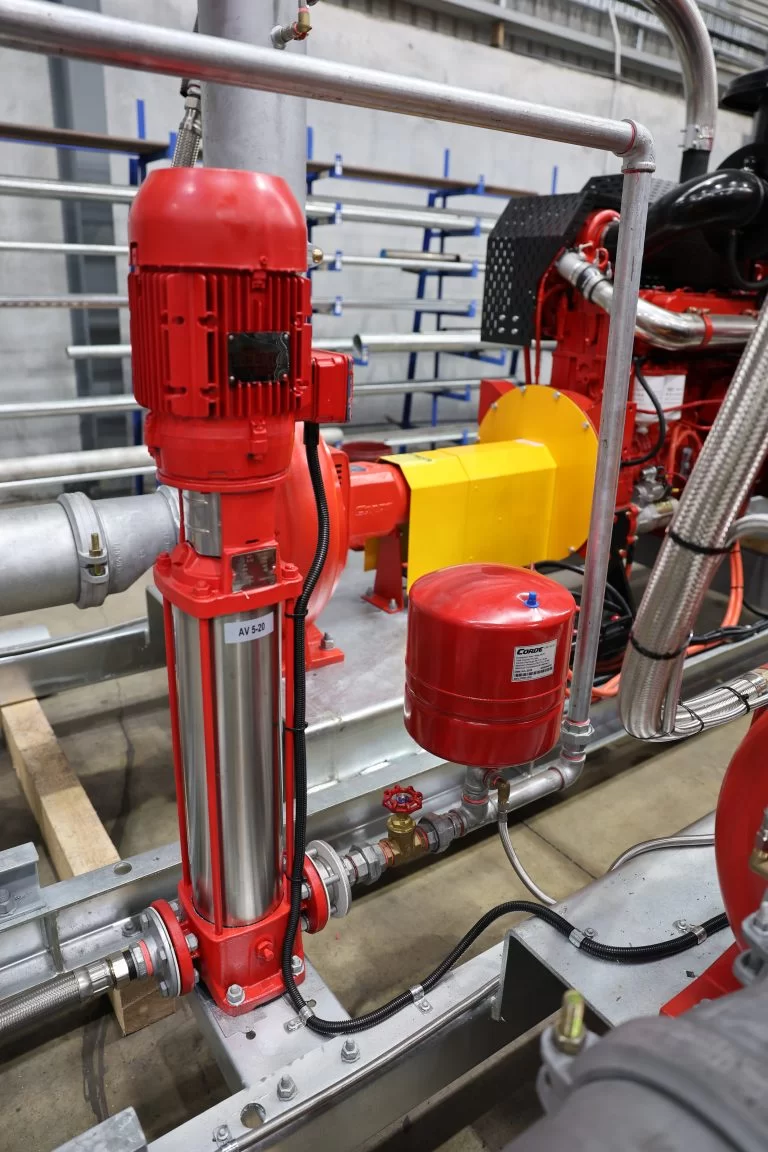
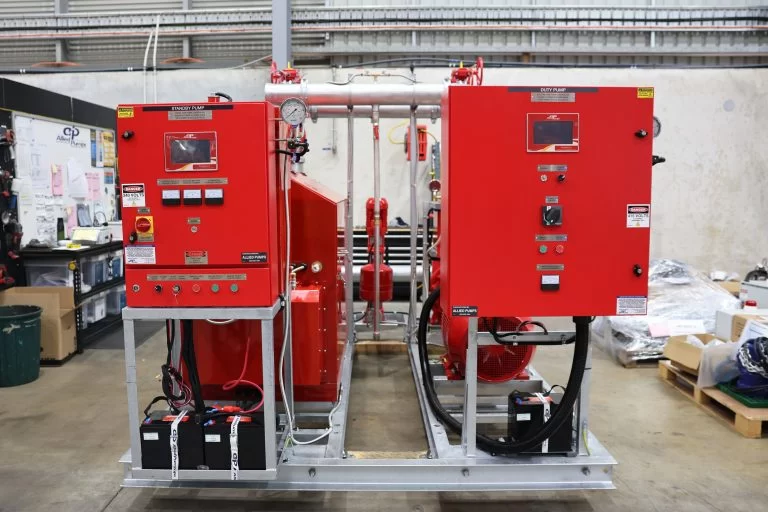
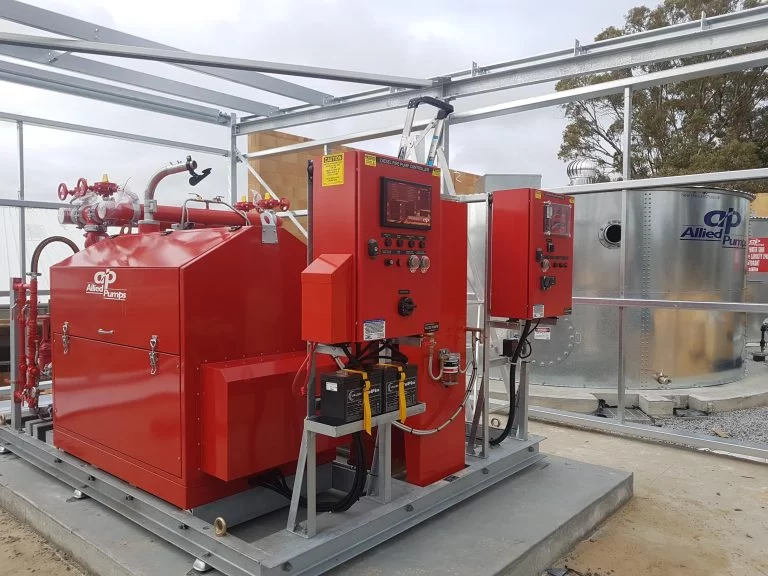
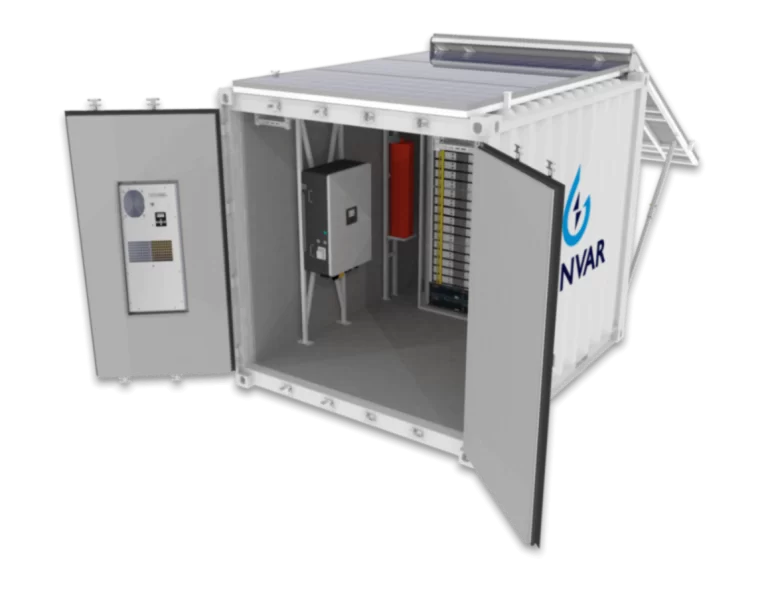
Allied Pumps designs and manufactures containerised fire pump systems that provide a complete, factory-assembled fire protection solution.
Each system integrates fire pumps, controllers, manifolds, valves, and associated equipment within a durable steel container. This not only protects critical assets from harsh weather, but also simplifies transport and installation.
Available in diesel or electric configurations, our containerised fire pumps are ideal for sites requiring a compact, turnkey fire protection solution.

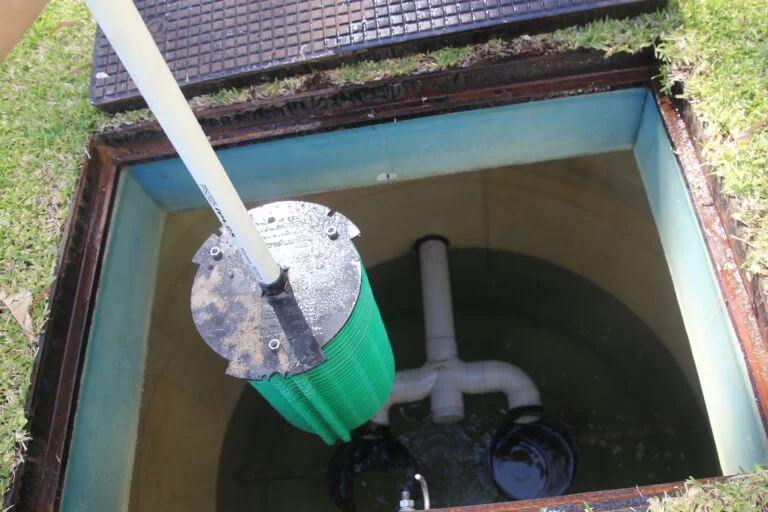
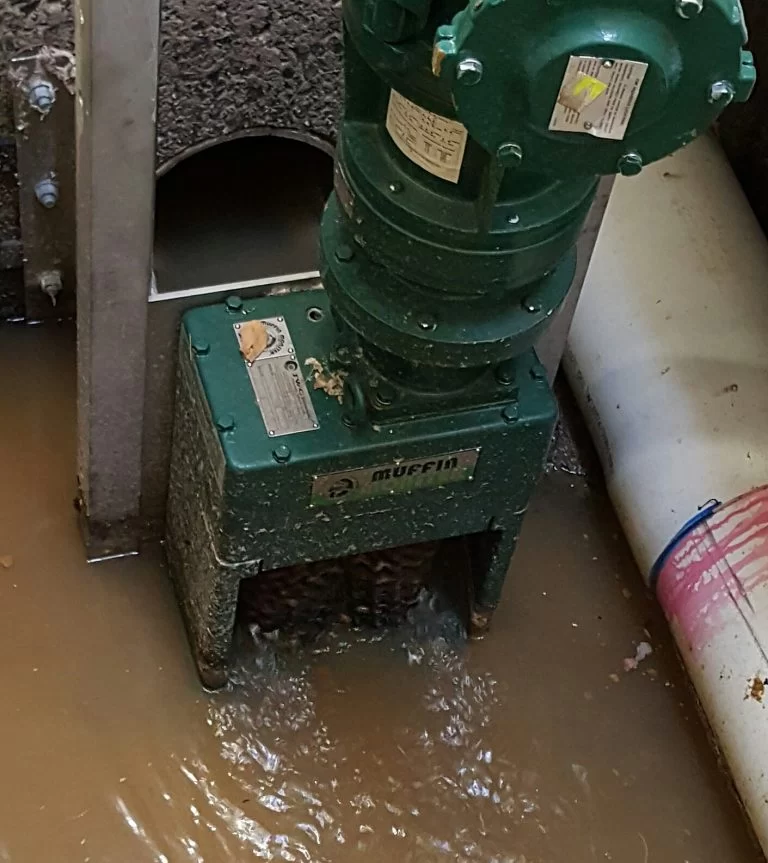
Blockages occur fairly regularly at Graylands Hospital, Western Australia’s largest mental health facility. Objects and clothing were often being introduced into the plumbing system. With 1,053 fixtures, the system needed help breaking up these foreign objects. Two of their grinder pumps were not properly handling foreign objects. After much investigation, the most practical option was to install a channel grinder in the existing mechanical screening pit. We designed specialised guiderails from 316 stainless steel. They were built in-house to suit the existing concrete structure. This solved the issue and eliminated peak flow blockages. The system has now been up and running for 24 months with no issues.

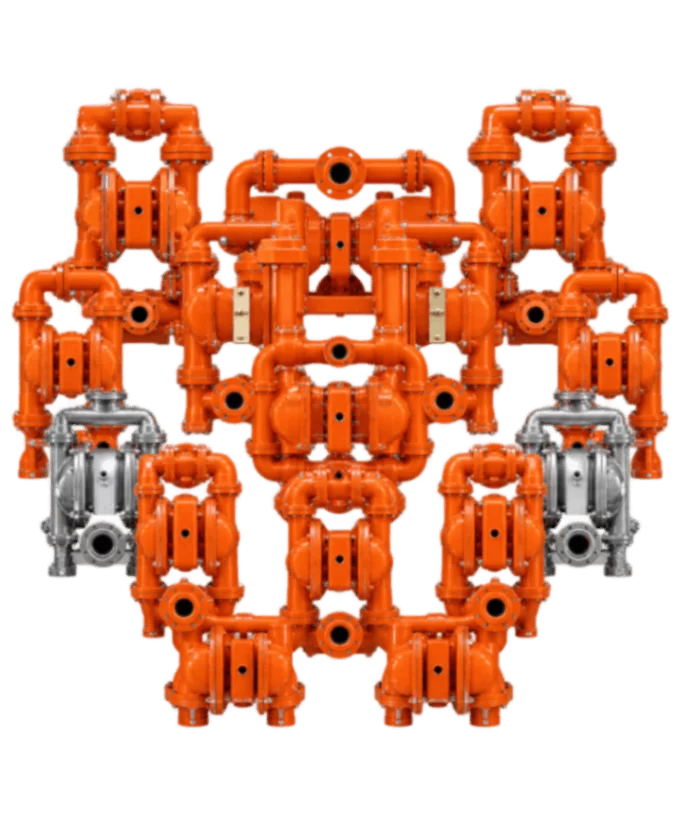
Mundella was looking to reinvent an industrial filling system and outdated production line. The brief was to provide a food grade, fully compliant solution for the careful transfer of yoghurts and dairy products from vats, while maintaining constant and sensitive flow rates and meeting specific hygiene requirements. We engineered and manufactured an innovative solution to an outdated processing line using a mobile Wilden pumping package. Read on to find out how we achieved this.

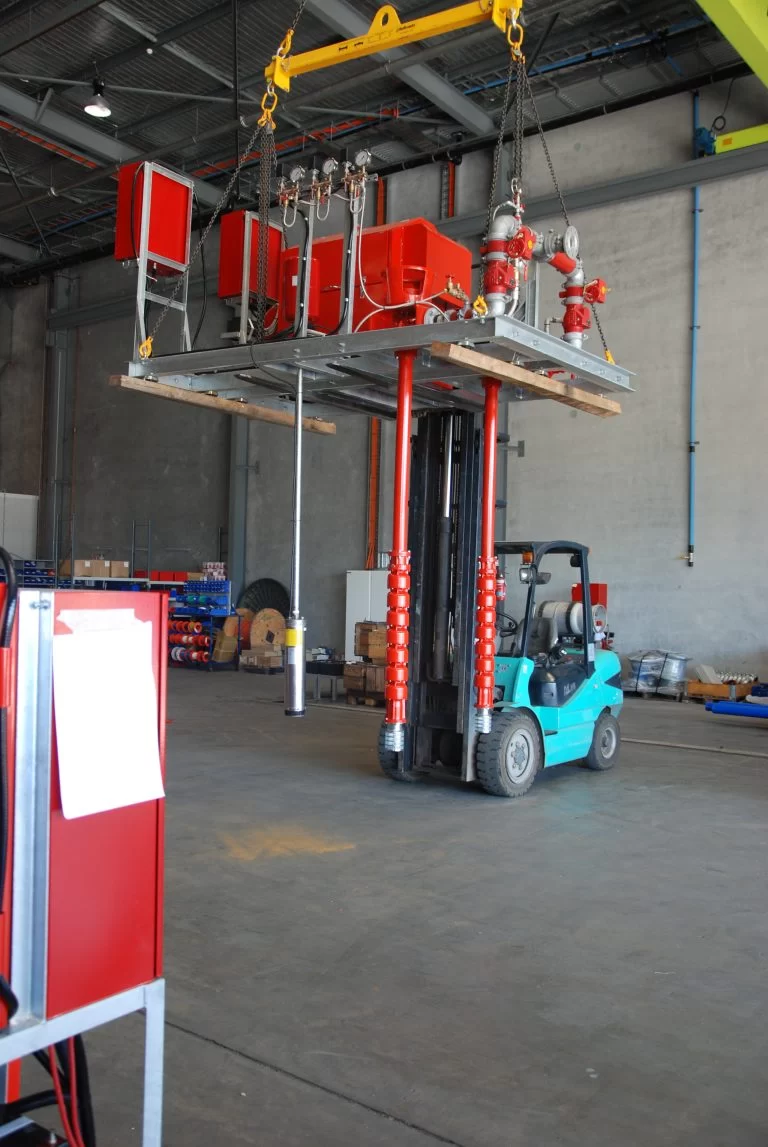
The Roy Hill railway is a 344km standard gauge, single line, heavy haul railway built to transport 55Mtpa of iron ore from the Roy Hill Mine to the Port stockyard facility, in the Boodarie Industrial Estate south of Port Hedland. This operation uses a lot of diesel and was in need of a large bulk diesel facility to rapidly fuel the trains to meet production and delivery demands. This would allow them to function more efficiently. Nothing of this nature had ever been accomplished. Traditionally fuel facilities have pumps for unloading, loading and other refuelling activities located around the site and are wired back to a Motor Control Centre building. Our solution was to consolidate the pumping, compressed air equipment and Motor Control Centre onto a single super skid. The skid was pre-fabricated, assembled and tested at our facility and lifted into place on site where only a single lift was required. The project was delivered on time and as requested.

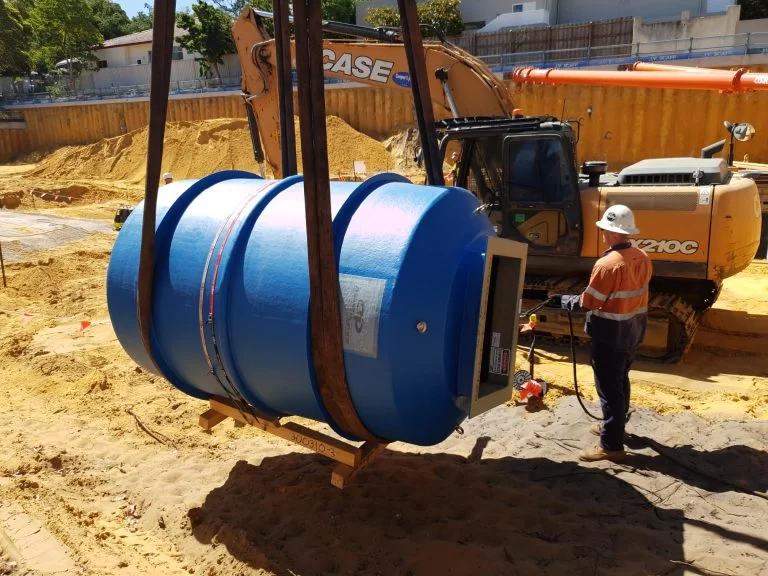
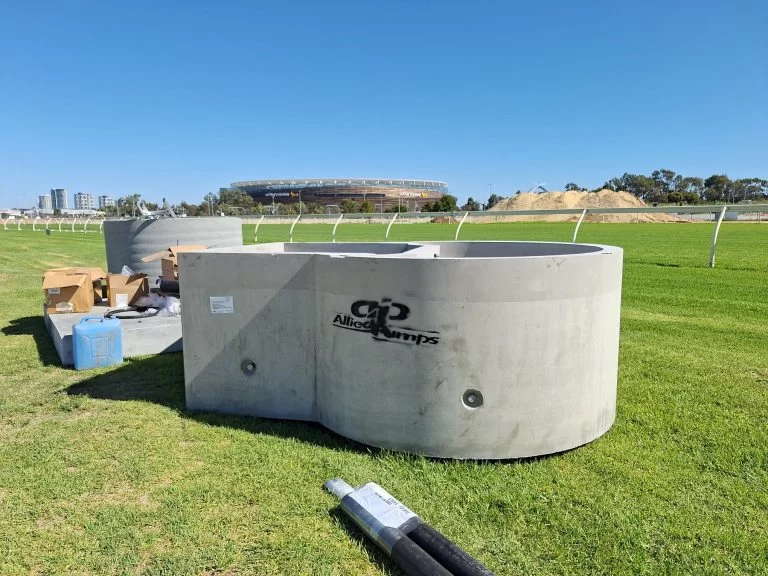
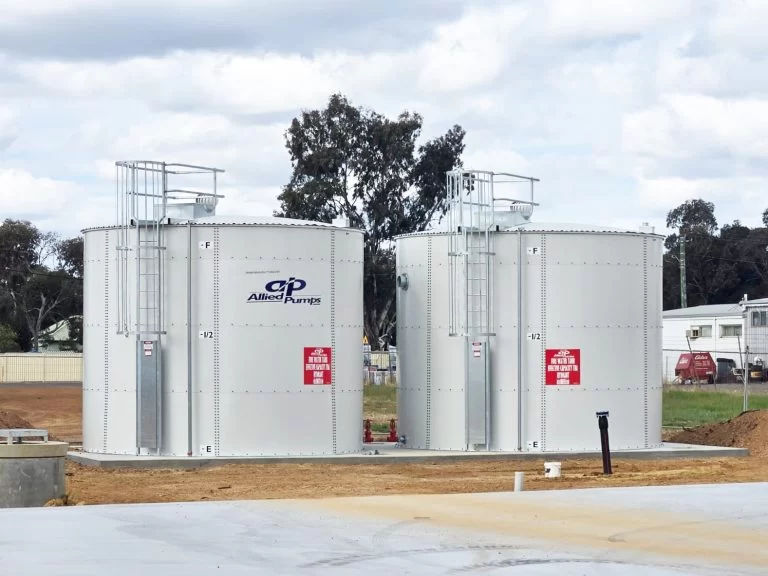
Station street markets were historic markets located in Subiaco that closed in 2015 after 30 years. In 2017, the site became part of a $96M redevelopment plan. We are currently working on this project constructing custom 4.70 diameter by 9.20 high fire water tanks (holding 150 kL each). These are custom specifications to meet the site’s needs. Creating custom length panels highlights our ingenuity and abilities to accommodate clients.

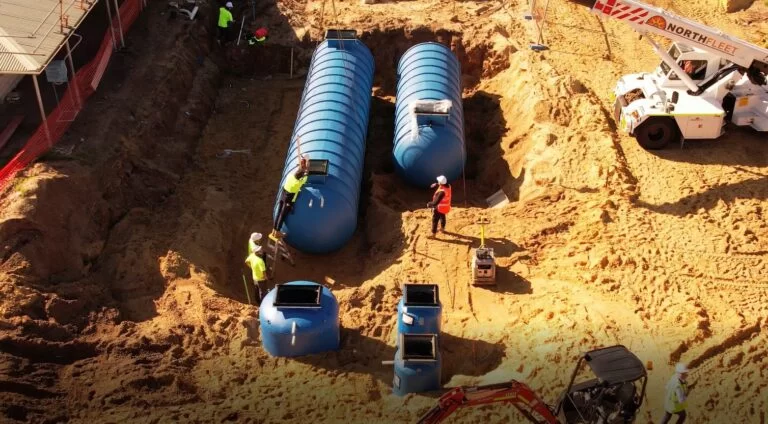
Our client required new potable water and fire water storage tanks to be manufactured onsite. The location is particularly close to the harbour shoreline and situated in the category 5 cyclone region, which means winds can be in excess of 280 km per hr. This impacted every facet of design. We had extensive contact with suppliers to find alternative products that could withstand the aggressive environmental location. The process included a search for tank wall, nuts, and bolts all the way through to paints and roofing materials. We successfully installed all the equipment on schedule, within a 3 week period with no major disruptions or safety incidents. The tank construction was guaranteed for 25 years. The client was very satisfied with the end solution.

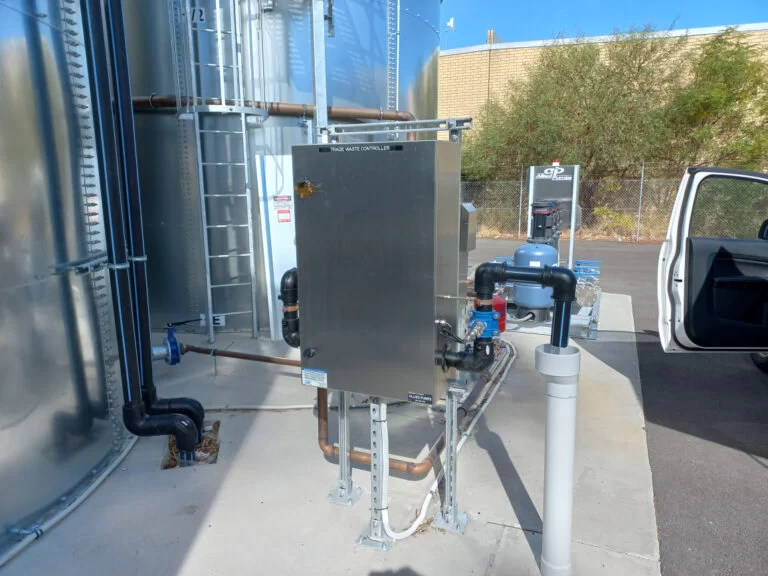
The Australian Embassy in Jakarta, Indonesia required a water supply system. Because of its location, this was a very unique project. The spec required the materials to be stainless steel and fibreglass to resist corrosion. The site also needed a controller to monitor and operate water supply valves to fill tanks for use at the building. The three water supplies were the result of rainwater runoff from the roof, bore pumps and mains piping. To ensure that the specs were met, the valves were programmed to operate depending on the supply availability. The competing requirements of this project as well as working in a foreign environment created a number of challenges. We were able to rise to the challenge, through our strong organisational skills and execution of work.

Formed in 1905 to obtain, treat and distribute water supplies, the Bunbury Water Board has served the people of Bunbury for over 100 years. The city’s early settlers knew of water stored naturally underground and tried to use it to replace the Collie River and the Preston River, which were the only sources of water for drinking in those days. We supplied the first variable speed system to the water authority. It’s still being used today.

A residential complex in Perth required an innovative way to pump water to reduce power consumption and improve sustainability. In many new buildings, there is a push to use a single basement tank with basement pumps pressuring all the way to the top of the apartment block. However, Allied Pumps had a better solution. A small pump and tank at the basement of the apartment block transfers water to the rooftop tanks at a low flow, keeping the rooftop tank full. A smaller, variable speed pump supplies the top few floors, whilst the levels below are fed by gravity. With a roof top tank full of water at all times, even during a power outage, the system can still supply the residents with water. Smaller pumps, simpler control logic, and reduced tank capacities all kept initial costs low and provided huge benefits for the complex.

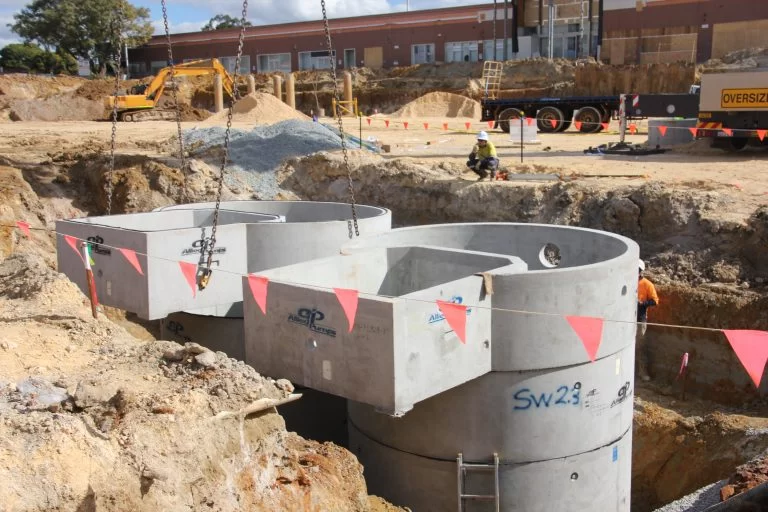
Located on Connelly Street at the Greater Sports Ground is the new built recreation & leisure centre incorporating the Kellerberrin & Districts Club. This was the site of the first concrete pump station in Western Australia. When wastewater has to get to the treatment facility and gravity is not cooperating, precast concrete pump stations do the heavy lifting. Precast concrete pump stations are designed, fabricated and installed with the highest-quality materials and equipment. We installed this system in the early 1990s. Completing a project like shows how we adopt innovation in out techniques.

We were recently involved in supplying fire protection for Perth Airport. View the video to see the testing DFES conducted at the facilities in March 2017.
A containerised fire pump is a complete fire protection system housed within a steel container, incorporating fire pumps, controllers, valves, and associated equipment.
Containerised systems reduce installation time, protect equipment from the elements, and provide a compact, turnkey fire protection solution.
Yes, every containerised fire pump package is custom engineered to suit the project's fire protection requirements, equipment configuration, and site layout.
Yes, every containerised fire pump system is fully assembled and factory tested before delivery to ensure reliable performance and simplify on-site commissioning.
Yes, Class 1 and Class 2 sound-attenuated container options are available for projects with specific noise requirements.